
 Search


 English
 Français
 русский
 Español
News
 Home / News / Industry News / Yarn Substitutes: How to Choose the Right Replacement Yarn for Any Pattern
 Yarn Substitutes: How to Choose the Right Replacement Yarn for Any Pattern
 2026.09.09
 Industry News
The pattern calls for a light fingering merino singles; the mill discontinued it two seasons ago, and the closest skein on the shelf is a 3-ply superwash that looks nearly identical in the ball. Knitted up, it is a different fabric: same needles, four extra stitches per 10 cm, and a hem that will not block flat. That gap is exactly what a good yarn substitute has to close.
Yarn substitutes work best when you stop comparing labels and start comparing three things in order: grist and gauge, fiber behavior, and yarn structure. Handle the first two and the project forgives a great deal. Ignore either one and no brand name saves the sweater. The checks below are the ones a knitter can run in an afternoon, and the same logic a mill runs before reformulating a yarn for production.
What a Yarn Substitute Actually Has to Match
A substitute succeeds when the finished fabric still meets the pattern's gauge, hand, and care expectations. Color, brand, and even fiber species are secondary; the fabric itself is the contract.
Key definition
A yarn substitute is any replacement yarn that keeps finished gauge, fabric hand, and care behavior close enough to the original that the pattern's sizing and construction still work.
Gauge and grist
Stitches and rows per 10 cm after blocking, plus meters per 100 g. Every number in the pattern's math hangs on these.
Fiber behavior
Elasticity, memory, drape, warmth, and pilling. Wool springs back after stretching; cotton and alpaca grow under their own weight.
Structure and ply
Singles, 3-ply, cabled, boucle. Twist decides stitch definition; fuzz decides how much texture shows.
Care and wear
Washing method, shrinkage, pill resistance, and cost per garment across years of real use.
Match grist first. When meters per 100 g land within about 10 percent of the original, needle size can usually close the remaining gauge gap.
Gauge First: Why Stitches per Inch Alone Mislead
Two yarns can hit the same stitch count on the same needles and still produce different fabric, because what settles after washing is grist and elasticity, not the weight named on the band. Grist, the length of yarn per gram, is the honest number: a 400 m per 100 g yarn and a 320 m per 100 g yarn can both be sold as DK, and only one will match the pattern's math. The wrap test gives a fast read before a skein is committed to a swatch.
Typical wraps per inch by yarn weight
Indicative mid-range values; confirm with your own wrap test on the actual skein.
Mill spec sheets compress the same information into counts such as Nm. Buyers comparing factory data sheets can use this plain-language guide to what Nm means in yarn counts to convert counts into meters per 100 g and compare grist directly.
20 minto knit, wash, and block an honest gauge swatch
30+ hrstypical knitting time for an adult sweater
2strands held double can stand in for a heavier grist
Elasticity decides how truthful that swatch is. Wool recovers from stretch and holds a blocked shape; alpaca and cotton grow under their own weight, so a swatch measured straight off the needles will mislead you. Measure after washing and drying, the same way the garment will be treated, and trust that number.
Fiber Swaps: What You Gain and What You Give Up
Every fiber substitution is a trade. Acrylic buys washability and a stable price but surrenders elasticity and breathability; alpaca buys warmth and fluid drape at the cost of memory. The table below is the short version of the trade-offs that decide whether a substitute still behaves like the original fabric.
| Fiber | Elasticity and memory | Drape | Care | Watch out for |
| Merino wool | High, springs back | Medium | Hand wash or gentle cycle | Felting in hot water, pilling |
| Superwash wool | High | Medium to high | Machine washable | Grows when hung heavy to dry |
| Alpaca | Low memory | High, fluid | Hand wash | Heavy fabric, stretched hems |
| Cotton | Very low | Medium | Machine washable | Inelastic fabric that grows |
| Acrylic | Moderate | Low to medium | Machine washable | No heat blocking, pilling |
| Wool-nylon blend | High, nylon adds strength | Medium | Machine washable | Default for socks and hard wear |
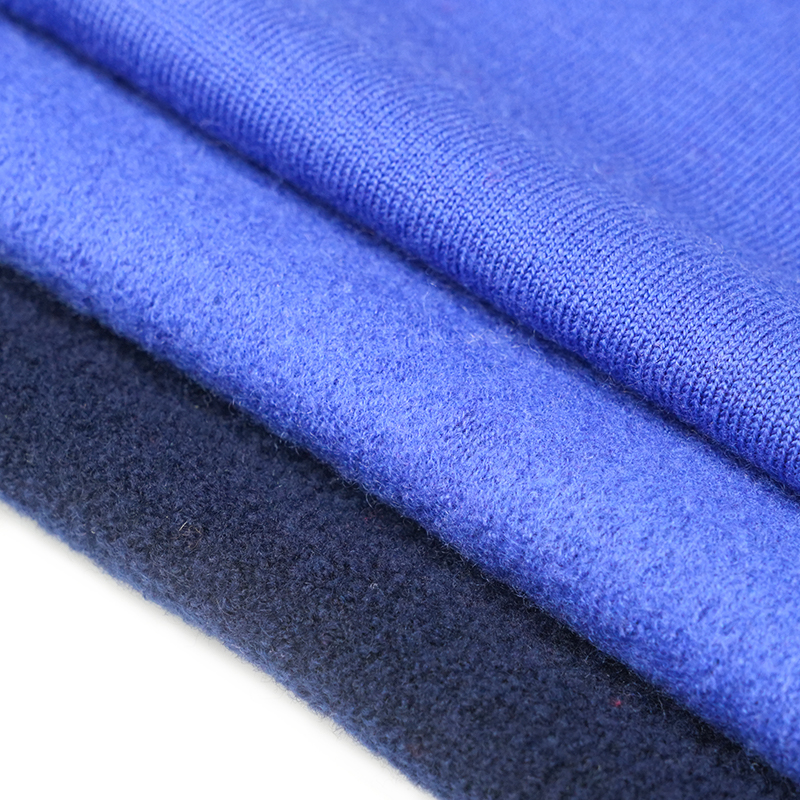 Wool YarnProduct Description:View Product →
When a design leans on blocked-open lace or crisp cables, stay with wool or a wool-rich blend, because springy hand and blocked shape are properties the pattern depends on. When it leans on frequent washing, kids' garments and everyday sweaters included, blends earn their place.
100% wool
- Elastic recovery that holds stitch texture
- Blocks into shape and keeps it
- Natural temperature regulation
- Higher price, careful washing
Wool-acrylic blend
- Machine washable for daily wear
- Lower, steadier price per kilogram
- Shape stable in regular use
- Flatter, less springy hand
- Will not hold a hard-blocked shape
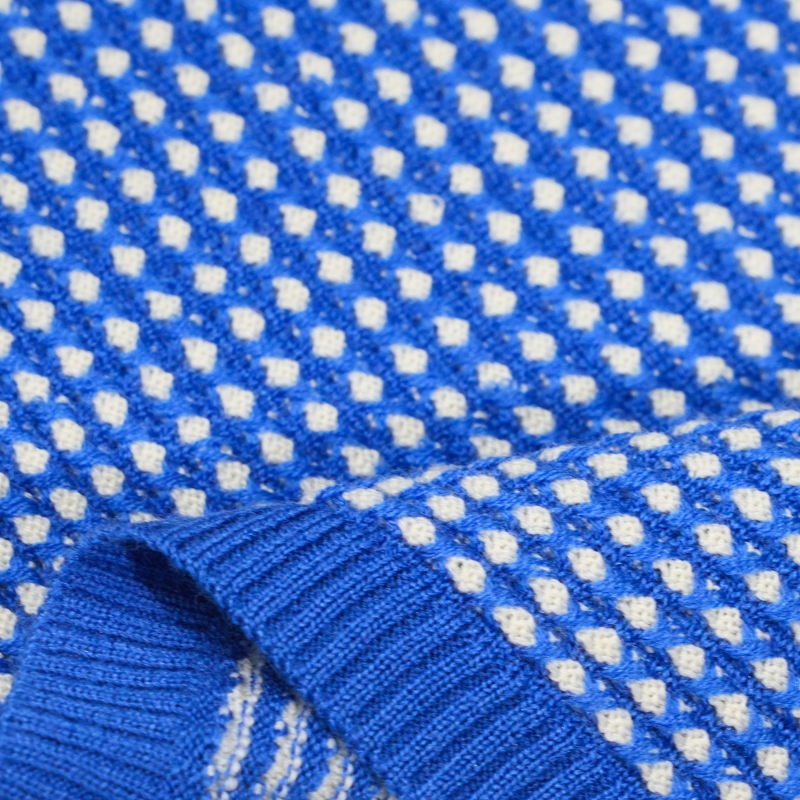 Wool Acrylic YarnProduct Description:View Product →
Structure and Ply: The Match Most Substitutions Miss
A 3-ply and a singles with identical grist knit to identical numbers yet produce visibly different fabric, so match construction before you match color.
Stitch definition comes from twist and ply, not from the fiber named on the label.
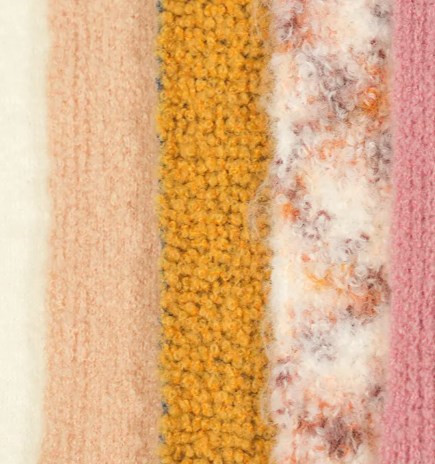
High-twist plied yarns push cables and lace into relief. Fuzzy singles blur every stitch and forgive uneven tension, which can rescue colorwork or ruin a cable chart. Textured constructions such as boucle and slub change how readable row gauge is in the first place, so they demand a fresh swatch even when fiber and grist match the original. Treat the ball-band gauge on any fancy yarn as a starting estimate only; structure makes those numbers soft.
Substituting at Scale: How a Mill Reformulates a Yarn
Professional substitution is not picking a similar skein; it is reformulating against the same fabric specification, then proving the swap with washed swatches and a pilot run. At Jiangsu Haoye Fiber Technology Co., Ltd., a worsted and fancy yarn manufacturer with 21 years in the trade, the sequence looks like this.
Audit the original spec
Count in Nm, ply, twist direction, grist, dye standard, and target gauge on the customer's machines.
Shortlist fiber recipes
Match the properties that matter: wool-nylon for durability, wool-acrylic for washability, lyocell-rich blends for drape and sheen.
Swatch, wash, and lab-dip
Measure gauge after washing, shrinkage, pilling grade, and color fastness before anything goes to bulk.
Pilot run and wear test
Knit a small batch on the production gauge and wear-test real garments before the full run.
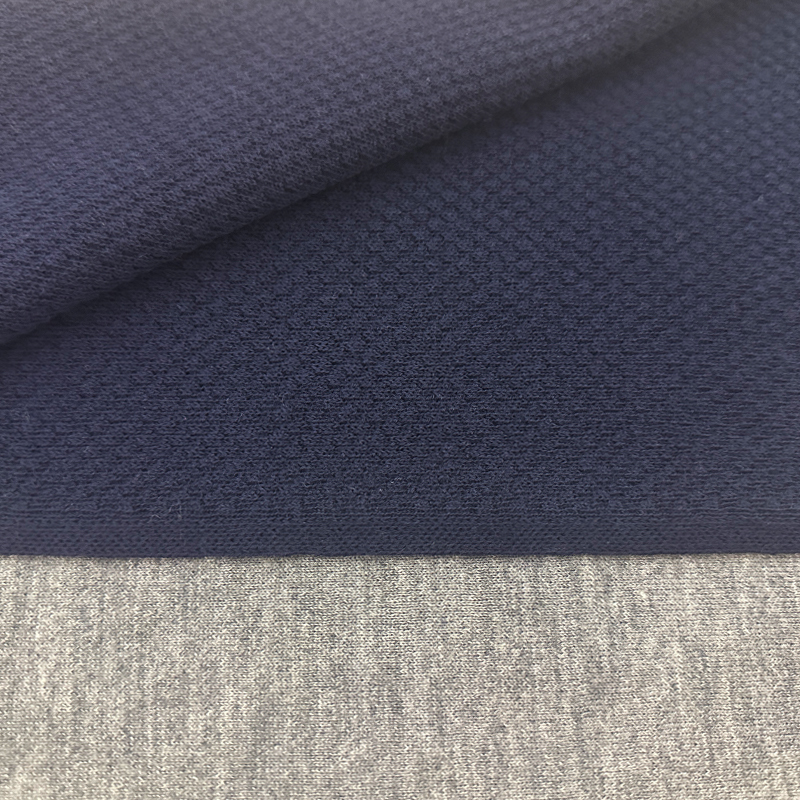 Cashmere Wool YarnProduct Description:View Product →
Cost-driven swaps follow the same logic. Replacing pure cashmere with a cashmere-wool blend keeps much of the softness and halo while cutting cost per kilogram sharply, and moving a 100% wool base onto wool-acrylic buys machine washability for family knits. Quick-sample and small-batch services exist for exactly this stage, so trials do not queue behind bulk orders. When no stock yarn lands close enough to the spec, custom blend development is the standard route: fiber ratios are adjusted until the washed swatch matches.
The Five-Step Substitution Checklist
Run five checks in this order and a substitute either proves itself in an afternoon or tells you to keep looking. Skipping step two is why most substitutions fail only after the sweater is finished.
- Knit a 15 cm stockinette swatch; small squares hide gauge drift.
- Wash and dry it exactly the way you will treat the finished garment.
- Count stitches and rows per 10 cm after blocking and compare with the pattern.
- Hang the swatch overnight to see how much the fabric grows under its own weight.
- Rub it between your palms for thirty seconds and check for early pilling.
Label every swatch with needle size and wash count. Two weeks later, unlabeled swatches all look identical, and the data is gone.
FAQ: Yarn Substitutes in Practice
One washed swatch settles more substitution arguments than any comparison chart.
Can I substitute a yarn of a different weight?
Yes, with arithmetic. Hold a lighter yarn double to approximate a heavier grist, or move to a smaller needle with a heavier yarn and expect a denser, smaller fabric. Every one of these moves changes drape, so re-swatch before committing.
Is acrylic a good substitute for wool?
For budget projects, frequent washing, and shape stability, yes. For blocked lace, crisp cables, and elastic hand feel, wool or a wool-rich blend stays closer to the original fabric.
How close should the meterage be?
Aim within about 10 percent of the original meters per 100 g. Beyond that, needle adjustments distort the fabric and yardage estimates for the project stop being reliable.
Does dyeing or fiber treatment affect a substitution?
Dye itself changes little, but treatments change a lot: superwash coatings help yarn survive washing machines and also let fabric grow. Judge every substitute on the washed swatch, never the skein.



Contact Us for more details
Quick Links
Products
Contact Information
Address: No.2 Huangtai Rd, Yunting, Jiangyin, Jiangsu, China
Tel: +86-510-86018587
Mobile: +86-18261518580
Email: [email protected]
