
 Search


 English
 Français
 русский
 Español
News
 Home / News / Industry News / Skein vs Hank: What's the Difference and Which Yarn Put-Up Should You Choose?
 Skein vs Hank: What's the Difference and Which Yarn Put-Up Should You Choose?
 2026.10.07
 Industry News
When you order wool yarn directly from a spinning mill, the delivery often contains a large twisted loop of fiber instead of a neat center-pull ball. That loop is either a hank or a skein, and the difference is more than cosmetic: it changes how you dye, store, wind, and knit the yarn.
A hank is yarn wound into a large circular ring that is twisted into a folded bundle for transport. A skein is an oblong, loosely wound coil that can usually be knitted straight from the package. The put-up you choose determines whether you cast on in two minutes or spend half an hour with a winder, which makes the skein vs hank question important for crafters and professional buyers alike.
The one rule that drives most decisions: a hank must be wound before knitting; a skein is ready to use.
What Is a Hank of Yarn?
A hank is a continuous length of yarn wound into a large, loose ring, typically 1 to 2 meters in circumference, then doubled over and twisted into a braid-like bundle. Textile factories create hanks by rotating yarn around a horizontal reel called a swift, then binding the loop in several places so the package stays organized through transport and storage.
Hanks are the standard put-up for dyed yarn. The open structure allows dye liquor to reach every strand with equal intensity, which is why hand-dyed and small-batch yarns are sold as hanks: the dyer can prepare, dye, rinse, and dry the yarn without tangling.
The catch is that hanks are not ready to knit. Pulling directly from a hank twists the loop into a knot almost instantly. You must wind the hank into a ball or cake first, using a swift and ball winder or a manual method such as draping the loop over a chair back. Plan for 10 to 30 minutes of winding time per hank.
Hank definition: a loose circular coil of yarn, 1 to 2 meters in circumference, that must be wound into a ball before knitting.
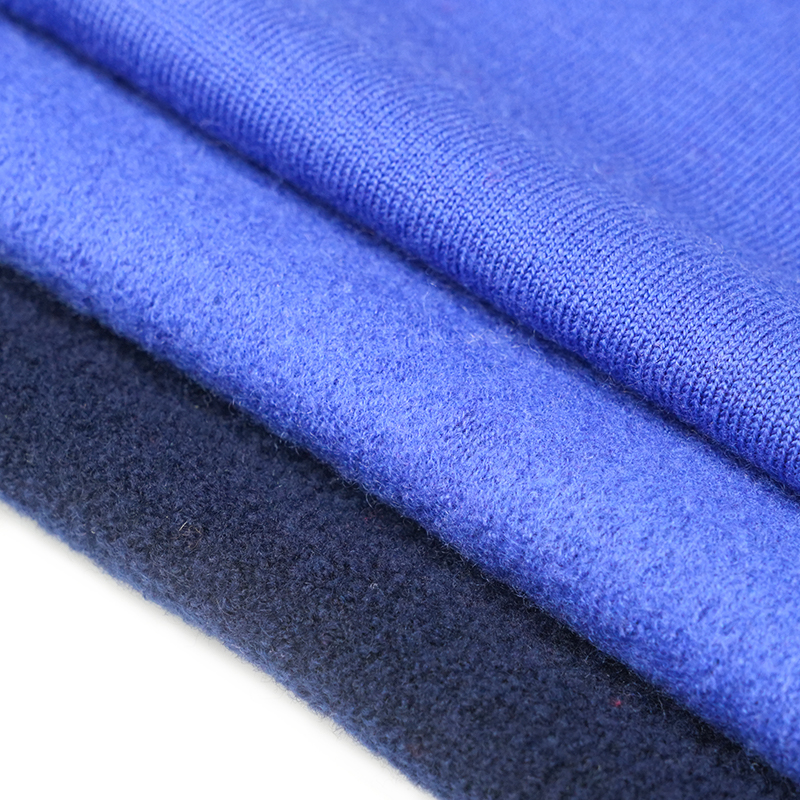 Pure Wool Yarn in Skein Put-Up for Ready-to-Knit UseThis 99.99% pure wool yarn comes in a skein format, so it can be knit directly without winding. It offers softness, warmth, and breathability, ideal for sweaters and scarves. Its relaxed winding preserves fiber loft for a bouncier finished fabric.View Product →
What Is a Skein of Yarn?
A skein is an oblong, loosely wound coil of yarn that is folded over itself once or twice to create a compact, labeled package. Most yarn brands use skeins as the default retail put-up for wool and blended yarn because the shape sits securely on a shelf and lets knitters work directly from the package.
Unlike a hank, a skein does not require rewinding in most cases. You can pull yarn from the outside of the skein or, if the manufacturer has created a center-pull configuration, from a clean end in the center. Center-pull skeins are especially convenient for knitting machines and flatbed projects because the yarn feeds smoothly without the package rolling away.
The tension profile matters too. Because skeins are wound in relaxed loops rather than under high tension, they preserve the natural crimp and loft of the fiber. For merino and lambswool, the finished fabric retains more bounce and softness than yarn wound tightly under industrial tension.
Skein definition: an oblong, loosely wound coil that is typically ready to knit directly, with no winding required.
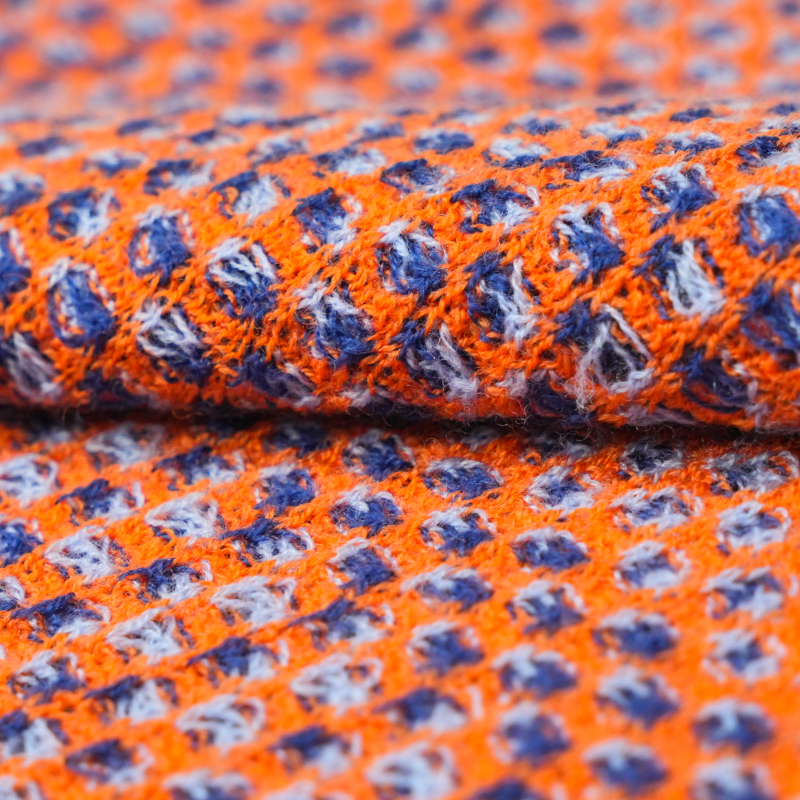 Easy-Care All-Wool Yarn with Balanced Tension for Consistent StitchesThis all-wool, easy-care yarn combines natural softness with modern washability. Presented in a skein, it keeps an even tension profile that supports smooth knitting and stable storage. Its relaxed loops preserve the wool's crimp, making it a practical choice for everyday garments.View Product →
Skein vs Hank: Key Differences at a Glance
The skein vs hank comparison comes down to four questions: Can I knit it immediately? How evenly will it dye? How stable is it in storage? What does the put-up cost in handling time? The table answers each in a single row.
| Feature | Hank | Skein |
| Shape | Circular loop twisted into a bundle | Oblong coil, folded once or twice |
| Ready to knit | No, must be wound first | Yes, in most cases |
| Winding time | 10-30 min by hand | 0-2 min |
| Dye evenness | Excellent, open loops | Moderate, denser coil |
| Storage behavior | Compact when twisted; tangles if loose | Stable, shelf-friendly |
| Typical buyer | Dye houses, mills, wholesale buyers | Retail knitters, designers, sample makers |
Skein vs hank practical scores out of 5
Knit-readiness
Dye evenness
Storage stability
Tension consistency
Scores reflect typical user experience.
If you need to knit immediately, choose a skein. If you are dyeing, or buying for a dye house, hanks are the only format that guarantees level color absorption.
Why the Skein vs Hank Choice Affects Your Workflow
The skein vs hank decision shapes preparation time, equipment needs, and the final surface of the knitted fabric, so it deserves attention before purchase.
Winding a hank without a swift is the fastest way to create a tangle. Once a hank escapes its ties, it becomes a nest of interlocking loops that takes an hour to sort. Experienced knitters clear a large area, mount the loop on a swift or a helper's hands, and wind deliberately before casting on.
Hanks also reveal more about yarn quality. The open structure makes it easy to inspect fiber length, twist uniformity, and the presence of neps or slubs. A factory-wound skein hides such details inside the coil, so buying hanks is a reasonable default when quality verification matters before production.
- At home: choose skeins for instant projects; reserve hanks for hand-dyed yarn or planned dyeing sessions.
- Studio or sample room: hanks plus a winder give you control over tension and allow re-skeining for dye tests.
- Dye house: hanks are non-negotiable; skeins force re-winding before dyeing and add labor cost.
Choose a hank when
You are dyeing yarn, buying for a dye house, or need to verify fiber quality before production.
Choose a skein when
You want to knit the moment the package arrives, value shelf stability, or work with center-pull feeding.
Budget note: hand-dyed hanks typically cost 1.2 to 1.8 times more than the same yardage in a commercial skein, reflecting extra dyeing and handling steps. The premium is not a fiber-quality markup.
How Yarn Mills Package and Ship Yarn
Yarn mills select a put-up based on the next process in the supply chain, not on consumer convenience, which is why industrial yarn packaging looks different from retail shelves.
Textile factories ship yarn primarily in hanks, cones, and muffs. Hanks go to dye houses and rewinding lines. Cones feed knitting machines directly. Muffs serve knit-de-knit and specialized yarn-dye processes. Skeins are almost always a retail brand's choice: a brand buys cone or hank yarn, rewinds it into skeins, and labels it for consumers.
When you source from a yarn manufacturer, the put-up should be specified in your inquiry. Jiangsu Haoye Fiber Technology Co., Ltd., a worsted and fancy yarn producer with 21 years of manufacturing experience, supplies wool yarn and blended yarn in put-ups aligned with the buyer's process. Understanding worsted and woolen yarn processes helps you ask for the right format, and confirming the put-up with the supplier's technical team avoids an unnecessary rewinding step.
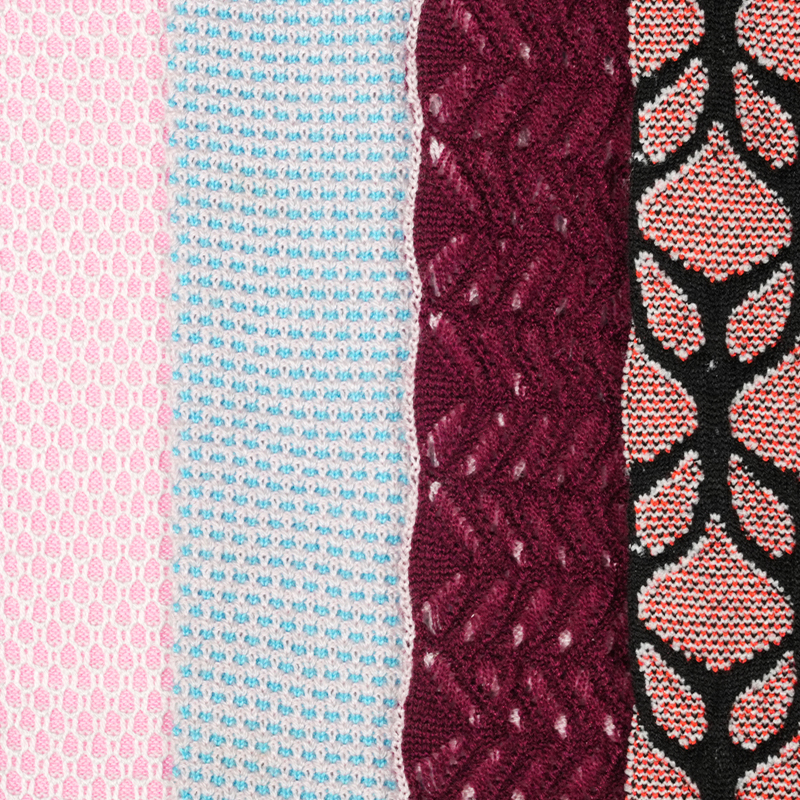 Wool Nylon Blend Yarn in Skein for Durable, Tangle-Free ProjectsThis wool nylon yarn pairs wool's warmth with nylon's durability and elasticity. Supplied as a skein, it eliminates the need for pre-winding, letting you start projects immediately. Its balanced twist and relaxed loops help prevent tangles while knitting sweaters, scarves, or home textiles.View Product →
Industrial rule of thumb: hanks for dyeing, cones for mechanical knitting, skeins for retail. Every other put-up is a variation on these three.
Frequently Asked Questions
Can you knit directly from a hank of yarn?
No. A hank must be wound into a ball or cake before knitting. Knitting directly from a hank causes the loose loops to pull into tangles, and the yarn will not feed evenly. Use a swift and ball winder, or wind manually over a chair back in 10 to 30 minutes.
Which put-up gives the most even dye results, hank or skein?
Hank. The open circular loop allows dye liquor to surround every strand with equal exposure, producing level absorption across the full length. A skein has a denser, folded structure, so dye penetration is less uniform and requires more agitation to compensate.
What is the fastest way to wind a hank without a swift?
Drape the hank over the back of a chair or around a large cardboard box, undo the ties, then wind the yarn into a center-pull ball by hand. This takes 15 to 30 minutes for a standard 100 g hank.
What put-up should you request when buying yarn from a mill?
Request hanks if you plan to dye or re-wind, cones if the yarn will feed directly into knitting machinery, and skeins only if you are packaging for retail sale. Matching the put-up to your next process removes extra handling and costs.



Contact Us for more details
Quick Links
Products
Contact Information
Address: No.2 Huangtai Rd, Yunting, Jiangyin, Jiangsu, China
Tel: +86-510-86018587
Mobile: +86-18261518580
Email: [email protected]
