
 Search


 English
 Français
 русский
 Español
News
 Home / News / Industry News / Acrylic vs Wool Socks: Warmth, Moisture, Cost and the Blends Mills Actually Use
 Acrylic vs Wool Socks: Warmth, Moisture, Cost and the Blends Mills Actually Use
 2026.09.30
 Industry News
Sock Yarn Sourcing Guide
Pull a pair of budget thermal socks off a discount store rack and read the label: you will usually find 95 to 100% acrylic, priced under two dollars a pair. The premium hiking sock beside it lists Merino wool and nylon, and costs three to five times more. The acrylic vs wool socks decision drives that gap, and it is settled long before knitting starts, at the yarn stage. After 21 years supplying sock mills, we at Jiangsu Haoye Fiber Technology Co., Ltd. have watched warmth complaints, odor returns, pilling claims, and margin pressure all trace back to one root cause: the fiber blend written into the yarn spec.
Most comfort complaints in winter socks trace back to one fiber decision made before the first stitch is knit.
What Acrylic and Wool Fibers Actually Are
Acrylic and wool differ at the molecular level, and those molecular differences explain every performance gap that shows up in a finished sock.
Acrylic Fiber
Acrylic fiber is a synthetic fiber made from polyacrylonitrile (PAN), a petroleum-derived polymer that is spun and often steam-bulked to imitate the loft and soft hand of wool at a fraction of the cost. Its moisture regain sits near 2%.
Wool Fiber
Wool is the natural protein fiber shorn from sheep. Overlapping cuticle scales and internal crimp trap still air and buffer moisture vapor, which is why wool insulates even when damp.
The supply side matters too. Acrylic tracks petrochemical prices and is available year-round; wool trades through seasonal auctions and is priced by micron. Fine Merino near 18 microns removes prickle next to skin, and certified options such as RWS (Responsible Wool Standard) and non-mulesed wool are now standard documentation requests from European buyers. With 20,000 worsted spindles running sirospun and compact spinning, our mill tunes smoothness and strength before the yarn ever reaches a sock machine.
Acrylic vs Wool Socks: The Properties That Decide Comfort
Wool wins on moisture and odor; acrylic wins on cost, care, and shape retention. The numbers below explain why blends, not absolutes, dominate sock catalogs.
2%Acrylic moisture regain, standard value
15%Wool official moisture regain
30%Moisture wool absorbs before feeling wet
3-5xTypical wool price premium per kilogram
| Property | Acrylic | Wool |
| Moisture regain | About 2% of fiber weight | 13 to 18%, official value 15% |
| Feel when damp | Sweat condenses, fabric clings | Feels dry, keeps insulating when wet |
| Odor after repeat wear | Builds quickly, needs frequent washing | Naturally resistant between washes |
| Shape retention | Strong, survives tumble drying | Good, driven by natural crimp |
| Pilling at heel and toe | Prone on high-rub zones | Moderate, improves with longer staple |
| Care tolerance | Full machine wash and dry | Easy care only with superwash treatment |
| Cost behavior | Stable, petroleum-linked | Seasonal, auction-cycle swings |
| Typical sock role | Budget casual, everyday lines | Outdoor, thermal, premium lines |
Key takeaway: acrylic is a shape-holding economy fiber; wool is a moisture-managing comfort fiber. Neither covers a full sock range alone.
Acrylic vs Wool Socks for Winter: Which Keeps Feet Warmer?
Wool keeps feet warmer in real winter conditions because it manages moisture vapor instead of trapping sweat against the skin, while damp acrylic turns cold fast.
Official Moisture Regain by Fiber
Standard regain values at 20 degrees Celsius and 65% relative humidity
Regain is the number to watch. Wool draws vapor into the fiber, releases absorption heat as it does, and holds up to 30% of its own weight in moisture before feeling wet. Acrylic at roughly 2% buffers nothing: sweat stays on the skin, the sock saturates, and wet plastic pulls heat away from the foot. Hikers and shift workers who report cold, clammy feet in budget thermal socks are describing exactly this failure.
Up to 30% of its own weight in moisture: how much wool can absorb before it starts to feel wet against the skin.
Odor follows the same logic. Bacteria multiply in the damp microclimate acrylic traps, so the sock wants washing after every wear, while wool's drier microclimate slows them down. For pure performance programs, the benchmark is a worsted-spun pure wool thread, smooth and strong enough to survive needle friction at heel and toe.
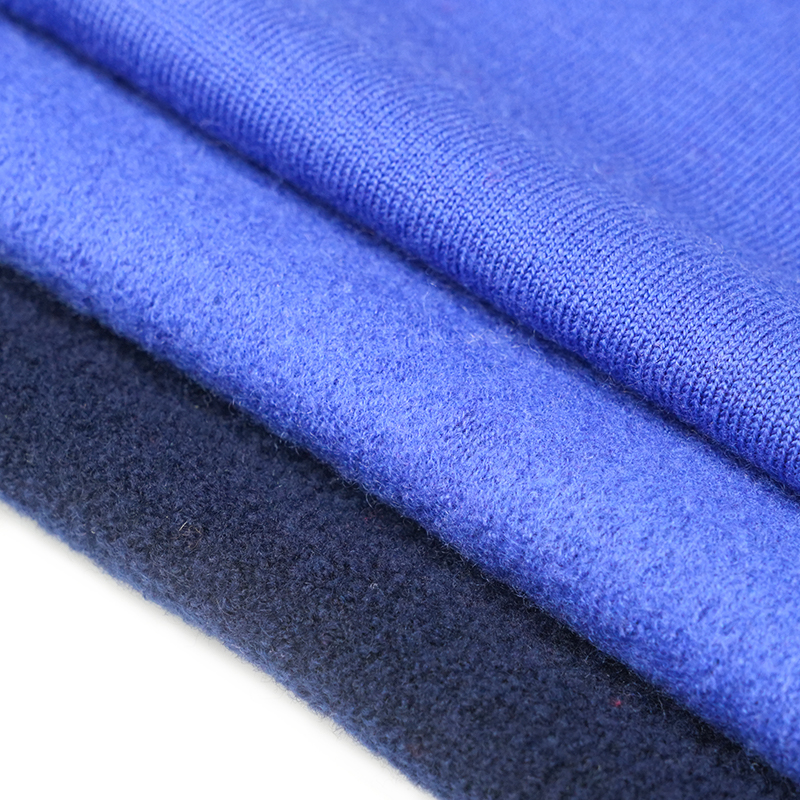 Wool YarnProduct Description:View Product →
Where Acrylic Socks Win: Price, Care, and Color
Acrylic is not a consolation prize; for a large share of the sock market it is the correct engineering choice, for commercial as much as technical reasons.
Acrylic pricing tracks petrochemical markets rather than seasonal wool auctions, so cost planning stays reliable across the year. It survives machine washing and tumble drying without felting, holds bright cationic dye shades wool struggles to match, weighs less per pair, and never invites moths. The honest costs: pilling at the heel and toe, retained odor, and heat sensitivity.
Choose acrylic when
- The line targets a low retail price with dependable margin
- Socks must survive frequent machine wash and dry cycles
- Bright fashion shades matter more than thermal specs
- Wearers are sensitive or allergic to wool
Choose wool when
- Socks face hiking, winter work, or long cold shifts
- Odor control between washes is a purchase driver
- The brand story leans on natural, certified fiber
- Premium retail pricing supports the raw material cost
Finishing note: keep ironing temperatures for acrylic socks below 135 degrees Celsius and tumble dry on low. Above that range the fiber glazes and loses bulk, leaving a shiny surface no wash cycle can reverse.
Why Wool-Acrylic Blends Run Most Sock Programs
The industry's answer to this comparison is usually neither pure fiber, but a blend that allocates jobs: wool handles moisture, acrylic handles cost and shape.
- Economy thermal lines: 60 to 70% acrylic with 30 to 40% wool, giving a visible wool story and real warmth at a big-box price point.
- Everyday comfort lines: near 50/50 wool-acrylic, the balance point where moisture handling improves without losing wash-and-wear convenience.
- Durable outdoor blends: roughly 45% wool, 40% acrylic, 15% nylon, where nylon concentrates abrasion resistance at heel and toe while wool manages sweat.
Nylon belongs in almost every sock construction: 15 to 25% roughly doubles wear life, and 1 to 3% elastane in the cuff restores the snug fit neither wool nor acrylic holds on its own. Controlling both worsted and fancy yarn lines lets a mill adjust bulk and surface texture to match the sock gauge.
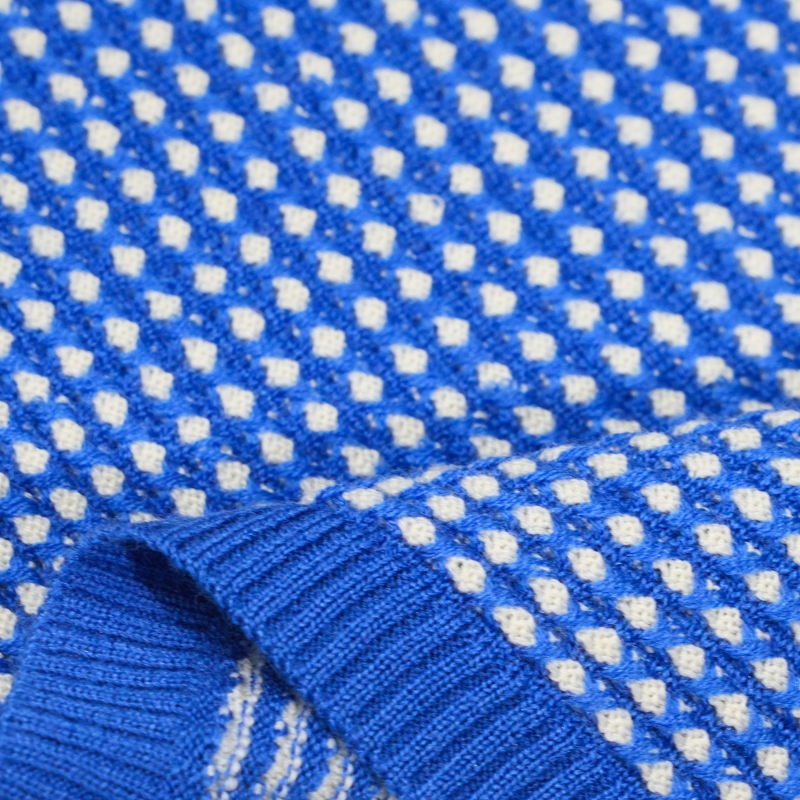 Wool Acrylic YarnProduct Description:View Product →
Mill perspective: a blend is not a compromise; it is an allocation of jobs. Wool manages moisture, acrylic manages cost, nylon manages friction.
A Four-Step Checklist for Buying Sock Yarn
Most sock yarn problems are preventable at the specification stage, and four steps catch nearly all of them.
Define the wear case
Hours of wear, temperature range, and washing habits set the wool percentage; a slipper sock and a winter work sock never share a spec sheet.
Fix the blend and the paperwork
Confirm OEKO-TEX compliance, RWS or non-mulesed documentation, and dye requirements early, because each affects price and lead time.
Match the count to the machine
Specify yarn count, measured in Nm, so a bulky yarn never jams a fine-gauge sock machine.
Prototype, then wash-test
Knit samples, run five wash cycles, and check pilling at the heel, cuff recovery, and shrinkage before approving production.
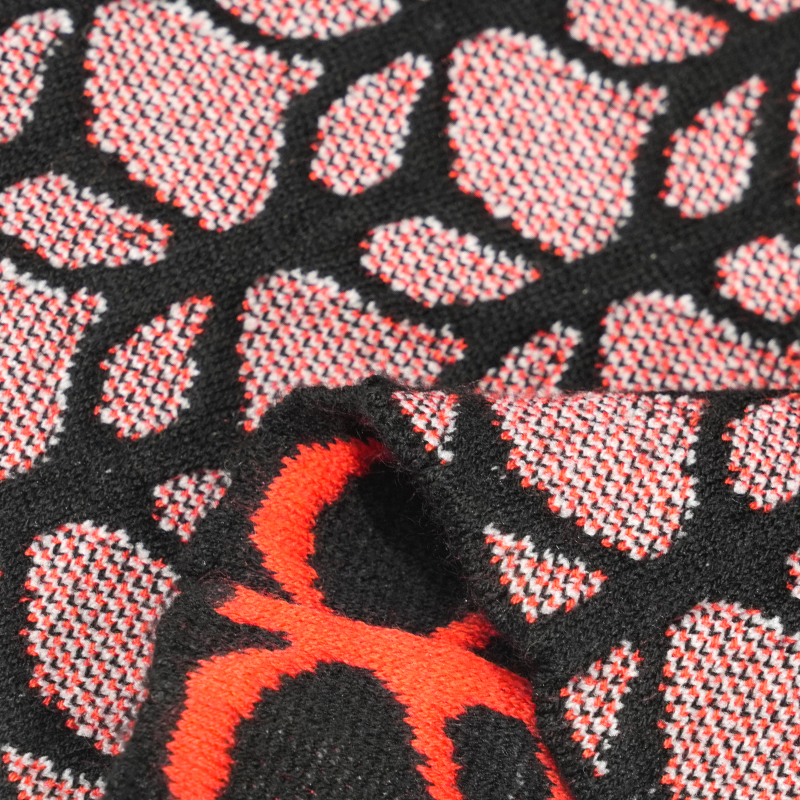 Wool Nylon Acrylic YarnProduct Description:View Product →
Steps three and four are where a supplier earns its keep. Stock-yarn samples, small-batch runs, and fabric swatches let a buyer test the exact blend before committing a production order.
Acrylic vs Wool Socks: Frequently Asked Questions
Do acrylic socks keep your feet warm?
Yes, when feet stay dry. Acrylic traps air in its bulked structure and insulates well in still, indoor conditions. In active or sweaty use, its 2% moisture regain becomes the weakness, and wool or wool-rich blends hold warmth more reliably.
Why do wool socks resist odor better?
Wool buffers moisture vapor inside the fiber, keeping the skin microclimate drier, and bacteria multiply far more slowly there. Acrylic leaves moisture on the surface, which is why it needs washing after nearly every wear.
Is 100% wool better than a blend for socks?
Not automatically. Pure wool feels excellent but wears through quickly without nylon and needs careful washing. It suits lounging and bed socks; for anything walked on, 15 to 25% nylon extends wear life several times.
What blend ratio do sock manufacturers use most?
No single standard exists. Big-box thermal programs run acrylic-dominant blends with 20 to 40% wool, while performance hiking socks run wool-dominant with 20 to 40% nylon plus elastane in the cuff.
The bottom line: this debate ends at the blend sheet, not the shelf tag. Define the wear case, fix the ratio, and test a knitted sample before committing volume.
Buyers can compare constructions side by side by requesting stock-yarn samples or a small-batch run of a custom wool-acrylic or wool-nylon-acrylic blend, then let wear testing make the final call. Both directions ship from one mill here, backed by OEKO-TEX-aligned production and 4,000 tons of annual spinning capacity.



Contact Us for more details
Quick Links
Products
Contact Information
Address: No.2 Huangtai Rd, Yunting, Jiangyin, Jiangsu, China
Tel: +86-510-86018587
Mobile: +86-18261518580
Email: [email protected]
