
 Search


 English
 Français
 русский
 Español
News

Feather Knitting Yarn: A Guide to Softness and Uses
 2026.08.19
 Industry News
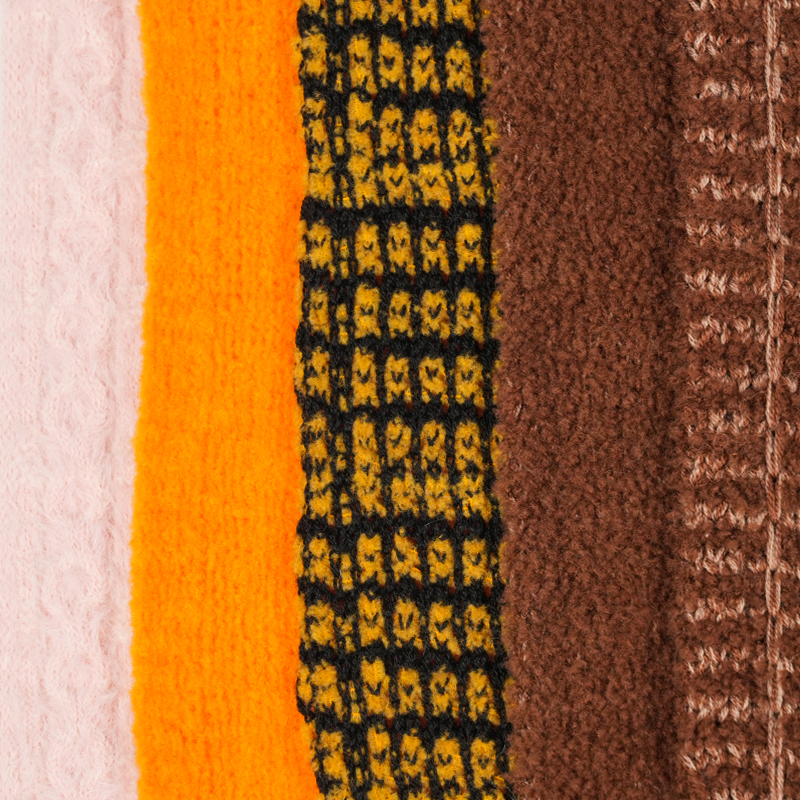
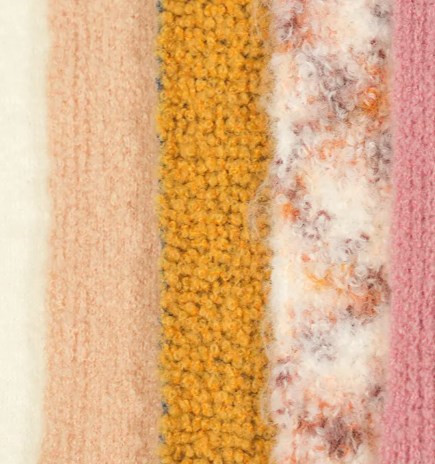
Some yarns need a heavy cable pattern to look interesting. Feather knitting yarn does not, since its fuzzy, feather-like surface already carries the texture before a single stitch pattern is added.
Nylon feather
Polyester feather
Acrylic feather
Wool blend feather
What Gives Feather Yarn Its Fuzzy Surface
Short effect fibers extend outward from a core yarn, held in place by a finer binder yarn wrapped around the whole structure. That construction is what creates the soft, plush surface, and it means the feel of the finished yarn depends heavily on fiber length and density, not just the base fiber material.
What the Texture Actually Delivers
- A plush, next-to-skin feel suited to baby clothing and lightweight sweaters
- Visual softness that reads as premium without extra finishing steps
- Trapped air within the fiber structure that adds warmth without extra weight
- A decorative surface that works with simple stitch patterns, not just complex ones
Where Feather Yarn Shows Up in Finished Products
Fashion knitwear brands use it for sweaters and cardigans where softness is part of the design statement. Scarf and accessory makers lean on its plush surface for a luxury feel at accessible price points. Baby and children's clothing producers value the gentle touch against sensitive skin, and home textile makers use it for blankets and cushion covers where softness matters as much as appearance.
| Attribute | Feather Knitting Yarn | Traditional Smooth Yarn |
| Surface feel | Soft, fuzzy, plush | Flat, uniform |
| Visual texture | Built into the yarn itself | Depends on stitch pattern |
| Best fit | Fashion knitwear, baby wear, accessories | General apparel and basics |
| Cost | Higher due to specialty construction | Typically lower |
Two feather yarns with the same listed fiber content can still feel very different depending on feather length and shedding resistance. Request a physical swatch before committing to a bulk order, since these traits rarely come through on a spec sheet alone.
Specifications to Check Before You Commit
Feather length and density determine how pronounced the fuzzy effect appears once knitted, while fiber composition drives softness, warmth, and washability. Shedding resistance is worth testing directly, since a yarn that sheds heavily during knitting or washing will disappoint even if the initial hand feel is excellent.
Partnering With an Experienced Producer
Even fiber distribution and stable binder tension are what keep feather yarn consistent from the first meter of a roll to the last. A capable feather yarn manufacturer should be able to share shedding resistance and strength test data, plus offer custom feather length, fiber blend, and color development for your collection.
Frequently Asked Questions
Does feather yarn shed a lot during knitting?
Shedding varies by construction quality, so checking shedding resistance test data or a physical sample is more reliable than assuming based on how a yarn looks on a spool.
Is feather yarn suitable for baby clothing?
Yes, its soft, plush surface is widely used in baby and children's knitwear, though fiber content should be checked for skin sensitivity and washability requirements.
Can feather yarn be machine washed?
Washability depends on the specific fiber blend, with synthetic-based feather yarns generally more machine-washable than natural fiber blends.
How does feather length affect the finished fabric?
Shorter feather lengths tend to create a subtler, denser texture, while longer feather lengths produce a more pronounced, fluffier surface effect in the finished fabric.



Contact Us for more details
Quick Links
Products
Contact Information
Address: No.2 Huangtai Rd, Yunting, Jiangyin, Jiangsu, China
Tel: +86-510-86018587
Mobile: +86-18261518580
Email: [email protected]
