
 Search


 English
 Français
 русский
 Español
News

Brushed Chunky Yarn: A Buyer's Guide for Textile Makers
 2026.08.26
 Industry News
Oversized sweaters, cloud-soft throws, and chunky scarves all trace back to one material decision: the yarn itself. Brushed chunky yarn turns a simple knit into a statement piece, but only when the fiber blend, thickness, and brushing quality are matched correctly to the finished product.
What Brushed Chunky Yarn Actually Is
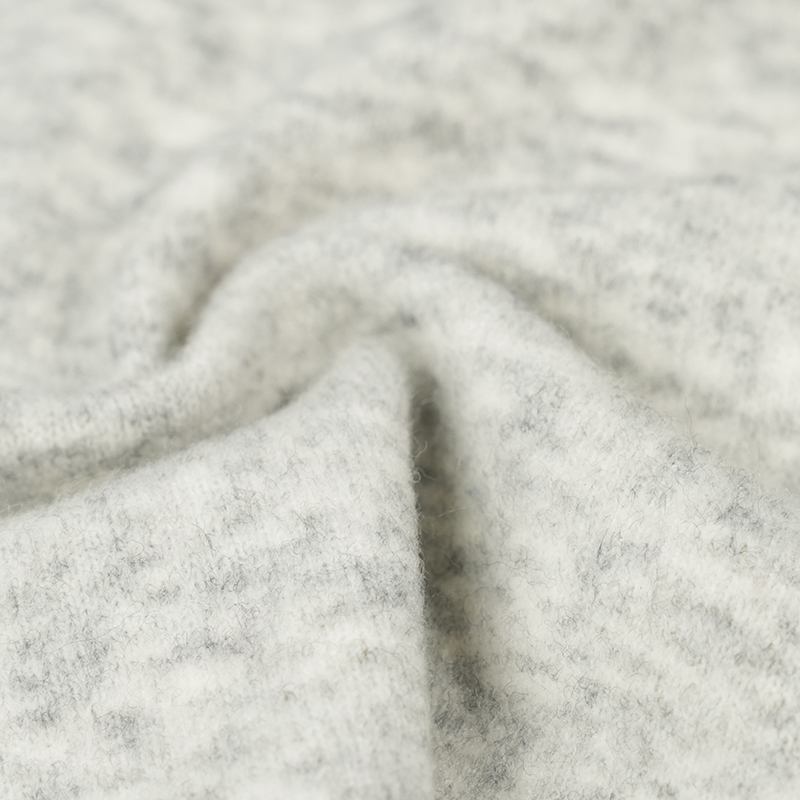
Brushed chunky yarn is a thick, bulky yarn that passes through a brushing process after spinning, lifting surface fibers away from the yarn body to create a soft, raised, fuzzy texture. The brushing is what separates it from an ordinary thick yarn — it adds loft, softness, and a halo effect around each stitch while the core structure keeps its strength.
A brushed finish does not just soften the hand feel. It changes how light catches the fabric, giving finished pieces a fuller, more dimensional look than a smooth yarn of the same weight.
Why Designers Reach for It
Brushed Chunky Yarn
- Knits up fast due to large diameter
- Traps air for genuine warmth retention
- Soft, fluffy surface with visual depth
- Works across wool, acrylic, and blends
Standard Yarn
- Slower knitting for large projects
- Thinner structure, less insulation
- Flat, uniform surface texture
- Narrower fiber and finish options
Where It Performs Best
Fashion knitwear brands use it for oversized sweaters, cardigans, and coats where texture carries the design. Home textile producers rely on it for blankets, throws, and cushion covers that need to feel indulgent rather than functional. It also dominates the hand-knitting and crochet market, where a large stitch size means a finished scarf or hat can be completed in a fraction of the time a fine yarn would take.
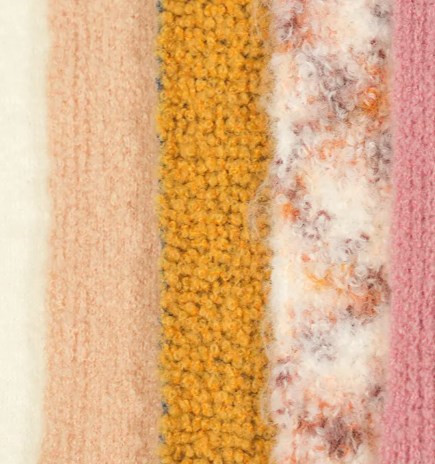
Fiber Options at a Glance Wool for warmth and drape, acrylic for affordability and color range, polyester for durability, cotton blends for breathable, lighter-weight projects.
Matching Fiber to Function
| Fiber | Best For | Feel |
| Wool | Winter sweaters, outerwear | Warm, slightly springy |
| Acrylic | Blankets, budget knitwear | Lightweight, very soft |
| Polyester | High-wear accessories | Durable, shed-resistant |
| Cotton Blend | Transitional-season pieces | Breathable, structured |
How to Choose the Right Yarn
Start with the finished product, not the yarn itself. A cardigan meant for daily wear needs strong pilling resistance and a fiber blend with enough structure to hold its shape. A decorative throw can prioritize maximum softness over durability. Once the end use is clear, four factors decide the rest.
-
Brushing density — heavier brushing means more loft but can shed more over time; check shedding resistance data before committing to a large production run.
-
Yarn weight and thickness — determines both knitting speed and how oversized the finished stitch pattern will look.
-
Twist balance — affects how well the yarn holds its shape under the weight of a large garment or blanket.
-
Color fastness — especially important for blankets and garments that will see repeated washing.
Frequently Asked Questions
Does brushed chunky yarn shed more than regular yarn?
Some shedding is normal because of the raised fibers, but well-finished yarn is tested for fiber shedding resistance, which keeps it well within acceptable limits for garments and home textiles.
Can brushed chunky yarn be machine knitted?
Yes. Many brushed chunky yarns are engineered for both hand knitting and machine production, though thickness and brushing density should be checked against the specific machine's tension settings.
Is wool or acrylic better for a chunky blanket?
Wool offers more natural warmth and drape, while acrylic is lighter, more affordable, and easier to care for, making it a common choice for everyday blankets.
What should I ask a supplier before ordering in bulk?
Request pilling and shedding test results, confirm customization options for thickness and color, and verify the supplier can maintain consistent brushing quality across production batches.



Contact Us for more details
Quick Links
Products
Contact Information
Address: No.2 Huangtai Rd, Yunting, Jiangyin, Jiangsu, China
Tel: +86-510-86018587
Mobile: +86-18261518580
Email: [email protected]
