
 Search


 English
 Français
 русский
 Español
News
 Home / News / Industry News / Yarn Weight Conversion Chart: US, UK, AU Ply, WPI, and Metric Counts Explained
Yarn Weight Conversion Chart: US, UK, AU Ply, WPI, and Metric Counts Explained
 2026.10.21
 Industry News
A sourcing manager in Guangzhou reads a sweater pattern written for double-knit yarn, while a mill in Jiangsu quotes the same requirement as Nm 28/2. Across town, a hand knitter swaps an 8-ply for a 4-ply and watches the finished sleeve grow 6 cm beyond the schematic. Both problems trace back to the same gap: yarn thickness is labeled in at least four systems — CYCA numbers, US names, UK and Australian ply, and metric counts — and a yarn weight conversion chart is the only bridge that connects them.
This guide maps all four systems into one reference, with WPI ranges, gauge values, and mill-side counts. It is written for two audiences at once: designers and hand knitters who need to substitute yarn across borders, and production buyers who need to discuss thickness in the same language as a worsted-spinning mill.
What Yarn Weight Actually Measures
Yarn weight describes the thickness of a single strand, and thickness controls gauge, drape, density, and the total meterage you buy. It has nothing to do with the weight of the ball in your hand: a 50 g ball of lace-weight alpaca and a 50 g ball of jumbo cotton are both 50 g, yet they knit into completely different fabrics.
Key definition
Craft Yarn Council (CYCA) Standard — a numbered scale from 0 (lace) to 7 (jumbo) that groups yarns by recommended stitch gauge, giving a consistent thickness reference across brands and countries.
The numbered scale carries three practical facts at once: expected stitches per 10 cm, suggested needle or hook size, and typical wraps per inch. For an industrial buyer, the CYCA number also maps loosely to metric count, which is the language mills actually quote in.
8CYCA numbered categories, 0 to 7
16+WPI required for lace weight
9-11WPI range for worsted weight
Nm 28/2Workhorse count for fine knitwear
Yarn Weight Conversion Chart: US, UK, Australian, and Metric Terms
Use this chart as the primary reference any time a pattern, spec sheet, or quote uses a weight name you do not recognize. Each row lists the CYCA category, the common US term, the UK or Australian ply, wraps per inch, a typical metric count, the stockinette gauge, and the suggested needle size.
| CYCA | US Term | UK / AU Ply | WPI | Metric Count | Sts per 10 cm | Needle mm |
| 0 | Lace | 2-ply | 16+ | Nm 12/2-20/2 | 33-40 | 1.5-2.25 |
| 1 | Super Fine (Fingering) | 4-ply | 14-16 | Nm 7/2-9/2 | 27-32 | 2.25-3.25 |
| 2 | Fine (Sport) | 5-ply | 12-14 | Nm 5/2-6/2 | 23-26 | 3.25-3.75 |
| 3 | Light (DK) | 8-ply | 11-12 | Nm 4/2-5/2 | 21-24 | 3.75-4.5 |
| 4 | Medium (Worsted) | 10-ply | 9-11 | Nm 3/2-4/2 | 16-20 | 4.5-5.5 |
| 5 | Bulky (Chunky) | 12-ply | 7-9 | Nm 2/2-3/2 | 12-15 | 5.5-8 |
| 6 | Super Bulky | 14-ply | 5-7 | Nm 1/2-2/2 | 8-11 | 8-12.75 |
| 7 | Jumbo | 20-ply+ | 4 or fewer | under Nm 1/2 | 6 or fewer | 12.75+ |
Two columns deserve extra attention before you order production yarn. The ply column is not universal: UK 10-ply and Australian 10-ply are close but not identical across every mill, and the US rarely uses ply language at all — always confirm the target gauge rather than the ply number. The metric count column matters most to cost: Nm 7/2 to Nm 9/2 (roughly 350-450 m per 100 g) covers most fingering-weight sock yarns, while Nm 3/2 to Nm 4/2 is the usual band for worsted-weight knitwear. Typical metric counts vary by mill, so confirm meters per kilogram on the technical data sheet.
Rule of thumb
Convert through the gauge column, never through the name column. "DK" means nothing until you know which stitches-per-10 cm target the pattern assumes.
Wraps per Inch and Metric Counts: Two Languages for the Same Yarn
Wraps per inch (WPI) is the fastest physical measurement of yarn thickness, and metric count (Nm) is the fastest commercial one. WPI works without a label: wrap the yarn tightly around a ruler for two inches, count the strands, and divide by two. Metric count works without a sample: it states exactly how many meters one kilogram yields, which is the basis of yarn pricing at most mills.
Data source: typical WPI ranges from the Craft Yarn Council standard yarn weight system.
Industrial orders, especially for worsted and blended yarns, quote metric counts (Nm) rather than consumer names. A US worsted-weight pattern usually sits between Nm 3/2 and Nm 4/2 in mill language, while a sock-weight yarn lands near Nm 7/2 to Nm 9/2. Understanding this connection lets you talk directly with a manufacturer about count, twist, and spinning method instead of translating vague terms like "DK" or "chunky" into production specs.
Using the Conversion Chart on Unlabeled Yarn
If the label is gone, three measurements settle the weight within ten minutes: wraps per inch, a 10 cm gauge swatch, and meters per 100 grams. Done in this order, they also cross-check each other, so a misread in one method gets caught by the other two.
- Wrap the yarn around a ruler over a 2-inch span with the strands touching but not overlapping. Count the wraps, divide by two, and compare the result with the WPI column of the chart.
- Knit a swatch at least 10 cm square with the needle size you plan to use, then count stitches across the middle. The gauge value reflects your personal tension and is a stronger signal than WPI alone.
- Weigh the yarn and measure its total length. Meterage near 400 m per 100 g points to fingering weight, near 220 m to DK, and near 170 m to worsted.
These three checks are designed to confirm each other. WPI can mislead when a yarn is spun very soft or very dense, gauge catches that error, and meterage reveals the difference between a dense cotton and a fluffy wool that happen to share the same physical width.
Benchmark
16-20 stitches per 10 cm on 4.5-5.5 mm needles — the worsted band — is the most common gauge in published North American patterns. If your swatch lands there, you are knitting worsted-weight fabric even if the label says something else.
Why the Correct Weight Conversion Changes Your Production Cost
In production, a one-category weight error can change the cost of the yarn in a garment by 20 to 35 percent, and it simultaneously alters shrinkage, drape, and surface durability. Because yarn is priced per kilogram, the metric count decides how many garments a kilogram covers: moving a spec from DK to worsted reduces the meters per kilogram and raises the yarn cost of every piece.
Professional buyers therefore convert consumer pattern language back into meterage before asking for a quote. When a designer requests a "worsted-weight" sweater yarn, the mill needs a target Nm, a twist level, and a fiber blend to price accurately. Mills with tight count control make this conversion stable from batch to batch; Jiangsu Haoye Fiber Technology Co., Ltd., for example, runs 20,000 spindles of Siro and compact worsted spinning and keeps production counts within tight tolerances.
 Full Wool Easy Care Yarns from Jiangsu Haoye Fiber TechnologyThis supplier offers machine-washable all-wool yarns with softness and durability. With 20,000 spindles and tight count control, it suits buyers needing stable meterage conversion for worsted-weight projects.View Product →
Blending changes what the number means in the finished fabric. A wool-nylon sock yarn at the same metric count as a pure wool yarn wears longer and holds its shape better under abrasion, which is why durable socks are rarely spun from 100 percent wool alone.
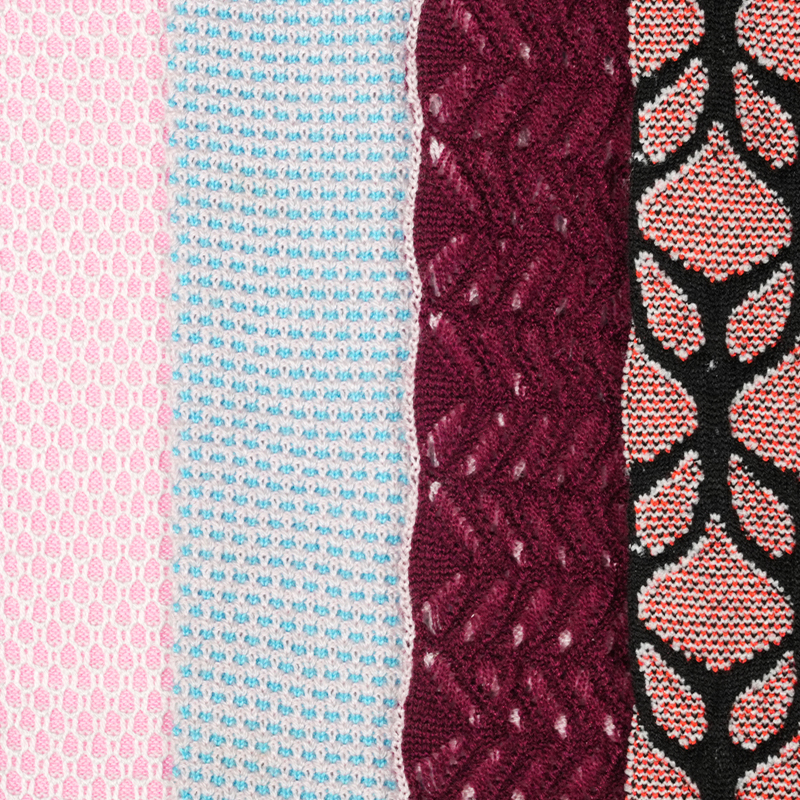 Wool Nylon Yarn for Durable Knitwear and SocksBlending wool with nylon improves abrasion resistance and shape retention, making this yarn ideal for socks and high-wear garments. Clean stitch definition and predictable blocking suit pullovers and accessories.View Product →
For projects where clean stitch definition and predictable blocking matter — pullovers, cardigans, and accessories — a 100 percent wool yarn in the correct count range behaves more predictably than high-synthetic blends under steam and washing.
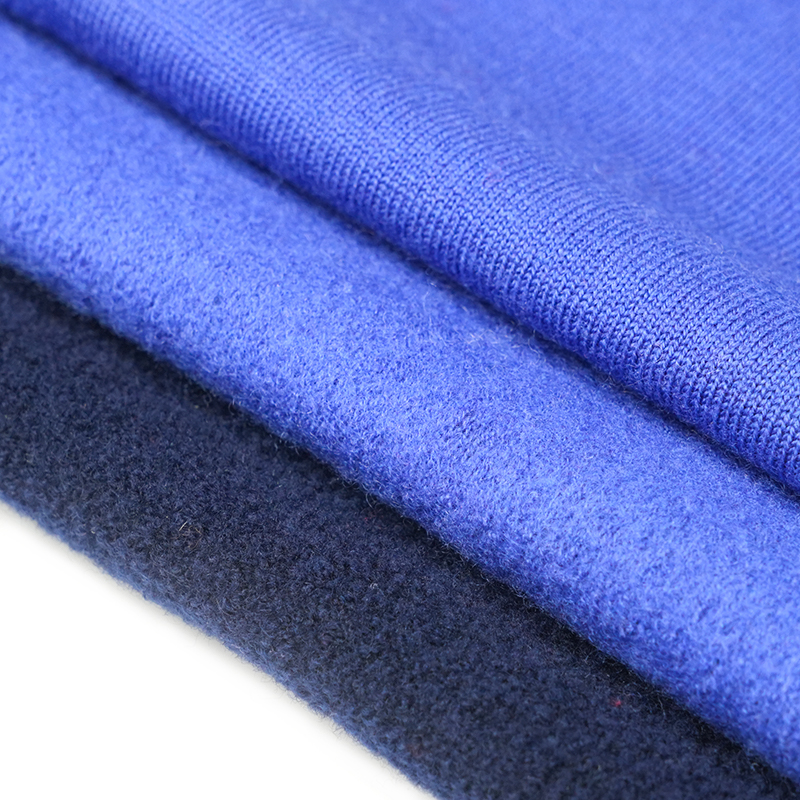 Pure Wool Yarn for Predictable Knitting and BlockingMade from 99.99% wool, this yarn offers warmth, breathability, and elegant texture. For projects requiring reliable steam and washing behavior, pure wool in the correct count range performs consistently.View Product →
Sourcing rule
Standardize on meters per kilogram before any other number. A yarn spec sheet is the authoritative source for count and twist; if it is missing, request it in writing before the sample stage.
If a pattern count and a mill quote still do not obviously line up, contact the mill and ask the technical team to confirm the conversion — a short conversation at sample stage is far cheaper than a rejected production lot.
Safe Yarn Substitution Rules When the Exact Weight Is Unavailable
Match the gauge target, not the category name, and buy 10 to 15 percent more yarn than the pattern calls for. Category names travel badly between countries; a measured gauge travels perfectly.
- Aim for a gauge within 1-2 stitches of the pattern target per 10 cm. Larger gaps change the finished size by whole garment sizes.
- Fiber content is the second variable: cotton does not spring back under blocking, wool does, and acrylic performs differently from both. The same gauge from different fibers produces different drape and warmth.
- If the substitute is heavier, you will need fewer stitches but more grams per garment. If it is lighter, recalculate stitch counts proportionally from the old gauge divided by the new gauge.
- Different dye lots are still a color risk even inside the same product line; buy all the yarn at once and verify the lot numbers match.
Substituting lighter
A lower category on the pattern needles produces a finer, softer fabric with more stitches per centimeter. The pattern will likely run wider, and the total yarn weight needed drops. Swatch one or two needle sizes up to compensate.
Substituting heavier
A higher category knits faster and creates a warmer, denser fabric. The pattern will run narrower, and the mass of the finished piece rises. Swatch with smaller needles to hold the stitch gauge as close as possible.
Yarn Weight Conversion FAQs
Is DK the same as worsted weight?
No. DK (8-ply) is CYCA category 3 with roughly 21-24 stitches per 10 cm, while worsted (10-ply) is category 4 with 16-20 stitches. They sit in adjacent bands, and substituting one for the other without a swatch can shift the finished size by half a garment size.
How many wraps per inch is a worsted weight yarn?
Worsteds measure 9-11 WPI. Wrap the yarn around a ruler over two inches, count the strands that fit, and divide by two. Above 11 WPI you are moving toward DK; below 9 WPI you are moving toward bulky.
What does 4-ply mean in a UK or Australian pattern?
It means fingering weight, CYCA category 1. The name originally described four twisted strands, but modern 4-ply yarns are often spun as one structural yarn and keep the label because their thickness matches the traditional 4-ply gauge.
What yarn weight is 100 g with 200 m of length?
A 200 m per 100 g ratio is DK weight (CYCA category 3) for a typical wool or wool-blend yarn. A pure cotton at the same meterage may look and behave more like sport weight because cotton is denser, so cross-check with WPI or a swatch.



Contact Us for more details
Quick Links
Products
Contact Information
Address: No.2 Huangtai Rd, Yunting, Jiangyin, Jiangsu, China
Tel: +86-510-86018587
Mobile: +86-18261518580
Email: [email protected]
