
 Search


 English
 Français
 русский
 Español
News

Wool and Cashmere Yarn: A Buyer's Guide
 2026.08.05
 Industry News
The difference between a sweater that softens with age and one that pills after three wears often comes down to a single decision made long before the knitting begins: the yarn. Wool and Cashmere Yarn sits at the center of that decision for any brand building toward a premium hand feel.
i.
What Wool and Cashmere Yarn Is
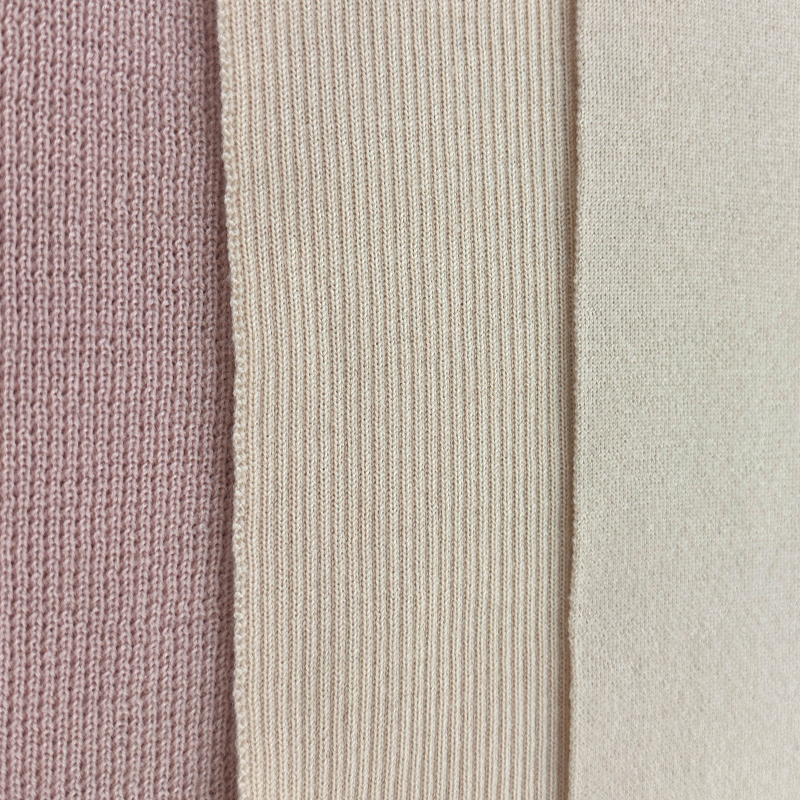
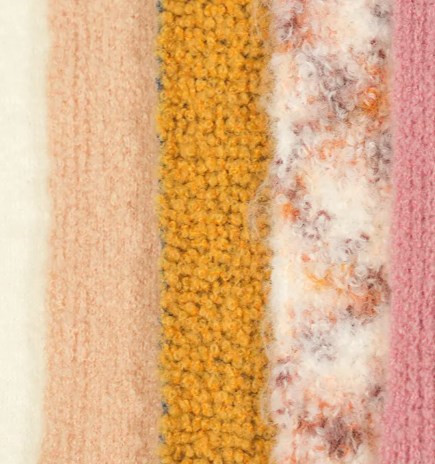
Wool and Cashmere Yarn is spun from wool fiber, cashmere fiber, or a blend of the two, carried through cleaning, blending, carding, combing, and spinning until the raw material becomes a yarn suited to fine knitwear. Wool contributes warmth retention, elasticity, and durability; cashmere contributes the lightness and softness that define a garment's perceived luxury. Blended together in the right ratio, the two fibers offset each other's limitations rather than simply combining strengths.
TouchSmooth surface feel suited to next-to-skin garments
WarmthNatural thermal insulation without excess bulk
MoistureAbsorbs and releases moisture for lasting comfort
RecoveryNatural elasticity holds garment shape over time
ii.
How the Fiber Structure Creates Its Performance
The behavior of the finished garment is set at the fiber level, not the finishing stage. Wool's natural scale structure gives the yarn its elasticity and recovery, while trapped air between fiber layers provides insulation. Cashmere fiber, finer and lighter than wool, threads through the blend to soften the overall hand without compromising structure. The spinning process then governs three outcomes that a garment technician can actually measure: yarn strength, surface smoothness, and how the finished fabric drapes.
The blend ratio is not a cosmetic decision. It is the primary lever between a yarn that wears like an heirloom and one that pills by the second season.
iii.
What Makes One Yarn Better Than Another
- Softness and hand feel — the cashmere percentage and fiber fineness set the ceiling on how the finished garment feels against skin.
- Thermal performance — wool content and yarn density determine how much warmth the fabric holds for its weight.
- Elasticity and recovery — twist level and fiber quality decide whether a sweater holds its shape after repeated wear.
- Pilling resistance — fiber length and finishing treatment are the strongest predictors of long-term surface appearance.
- Sourcing integrity — traceable, responsibly sourced fiber increasingly matters to brands and their customers alike.
iv.
Where This Yarn Is Used
Luxury knitwear houses build sweaters, cardigans, and knit dresses around it. Fashion brands reach for it in seasonal collections where fabric quality carries the product's positioning. Its lightness suits scarves, gloves, hats, and shawls, where warmth without bulk is the entire point, and it extends into home textiles such as blankets and throws where comfort and appearance matter equally. Textile manufacturers producing customized fabric for other brands rely on it as a dependable premium base material.
v.
Wool and Cashmere Yarn Compared with Synthetic Yarn
| Consideration | Wool and Cashmere Yarn | Synthetic Yarn |
| Comfort and warmth | Excellent, natural regulation | Good strength, lower natural comfort |
| Durability | Strong elasticity and recovery | High abrasion resistance |
| Best suited for | Premium and luxury textile production | Mass production, sportswear |
| Relative cost | Higher, reflecting natural fiber value | Lower production cost |
| Care requirements | Careful washing and handling | Generally low-maintenance |
vi.
Choosing the Right Yarn for Your Product
Begin with the garment itself: a fine-gauge sweater and a chunky throw blanket call for different yarn counts and twist levels entirely. Weigh the cashmere percentage against your price point and durability needs, since a higher cashmere ratio raises softness but can lower abrasion resistance if not balanced with the right wool content. Ask for fiber certificates and pilling-resistance test results rather than taking softness claims at face value, and favor a supplier who can hold consistency across production runs, since a single inconsistent batch can undo a season's worth of quality reputation.
Frequently Asked Questions
What is the ideal wool-to-cashmere ratio?
There is no universal ratio; it depends on the balance a brand wants between softness, cost, and durability. Higher cashmere content increases softness and price, while wool content supports structure, elasticity, and abrasion resistance.
Does wool and cashmere yarn pill easily?
Pilling resistance depends more on fiber length, twist level, and finishing than on cashmere content alone. Well-processed yarn from a quality-controlled supplier resists pilling significantly better than low-grade blends.
Is wool and cashmere yarn suitable for machine knitting?
Yes, provided the yarn is spun to a consistent count and strength. Both hand-knitting and machine-knitting grades are commonly available depending on the intended production method.
How should finished garments made from this yarn be cared for?
Wool and cashmere blends generally require gentle hand washing or dry cleaning, since aggressive laundering can damage the natural fiber structure and shorten garment life.
 |



Contact Us for more details
Quick Links
Products
Contact Information
Address: No.2 Huangtai Rd, Yunting, Jiangyin, Jiangsu, China
Tel: +86-510-86018587
Mobile: +86-18261518580
Email: [email protected]
