
 Search


 English
 Français
 русский
 Español
News
 Home / News / Industry News / Storing Yarn Guide: Humidity, Moth Protection, and Shelf Life Best Practices
Storing Yarn Guide: Humidity, Moth Protection, and Shelf Life Best Practices
 2026.11.18
 Industry News
You found a fiber you love, bought enough for the whole project, wound a few skeins, and put the rest in a cardboard box under the bed. Eight months later, the box smells musty, the outer edge of one hank has yellowed, and a tiny larva case rolls out when you lift it. That is not a fiber defect; it is a failure of storing yarn discipline. The same principles that keep 4,000 tons of annual production safe in the warehouse of Jiangsu Haoye Fiber Technology Co., Ltd. also protect a fifteen-skein home stash: stable humidity, pest barriers, and rotation.
Worst-case scenario: yarn kept in a damp, sunlit box can show visible fading and fiber damage within one season.
Storing Yarn Correctly Starts With Fiber Chemistry
The rule that decides everything else is simple: store the fiber, not the label. Protein fibers such as wool, cashmere, alpaca, and silk are keratin structures that moth larvae can digest. Cellulose fibers like cotton, linen, and tencel resist moths but rot in damp conditions. Synthetics including nylon, acrylic, and polyester are the most forgiving, yet they still fade under sun and deform under sustained heat.
30% of wool's weight is moisture it can absorb before it feels wet. Keep relative humidity below the saturation point and mildew has nothing to feed on.
Blends change the risk profile. A wool-nylon sock yarn attracts fewer moths than pure wool because nylon interrupts the protein food source, but it still needs the same humidity limits. A 100% wool yarn with a tight worsted spin stores longer than a lofty woolen-spun yarn because the denser surface leaves larvae fewer places to tunnel.
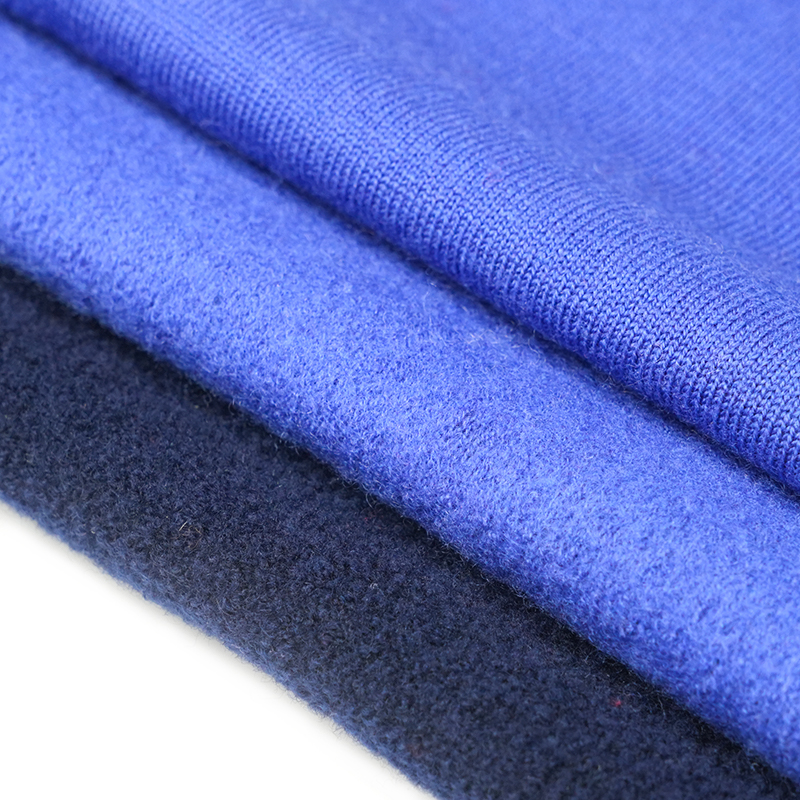 Pure Wool Yarn for Long-Term Knitting and StorageThis 99.99% pure wool yarn combines fine, soft fibers with breathable insulation, making it a dependable choice for projects intended to last through many seasons when stored correctly.View Product →
The Target Range: Temperature and Humidity for Storing Yarn
For storage longer than a season, keep the room at 15-20°C and 45-55% relative humidity. Textile handling practice sets these numbers, not preference. Heat accelerates dye fading and fiber oxidation; moisture feeds mildew. Cold rarely damages yarn, but condensation inside a cold bin meeting warm air does.
| Parameter | Target | What goes wrong outside it |
| Temperature | 15-20°C | Above 25°C speeds dye fading and oxidation |
| Relative humidity | 45-55% | Above 65% mildew forms; below 30% fibers feel brittle |
| Light | No direct sun | UV exposure fades outer yarn layers within weeks |
| Pest access | Sealed containers | Moth larvae enter through gaps, folds, and loose lids |
Standard moisture regain at 65% RH by fiber (%)
Wool16
Cashmere15
Silk11
Cotton8
Nylon4
Acrylic2
A safe yarn environment is a sealed space at 15-20°C with 45-55% relative humidity, no direct light, and no route in for insects. Every setup below follows from this definition.
A hygrometer costs a few dollars and removes guesswork. Place one inside the storage closet or bin and check it at each season change. The fibers at the top of the moisture chart, wool and cashmere, need the drier half of the 45-55% band because they take up water first. Cashmere-wool blends are exactly that case.
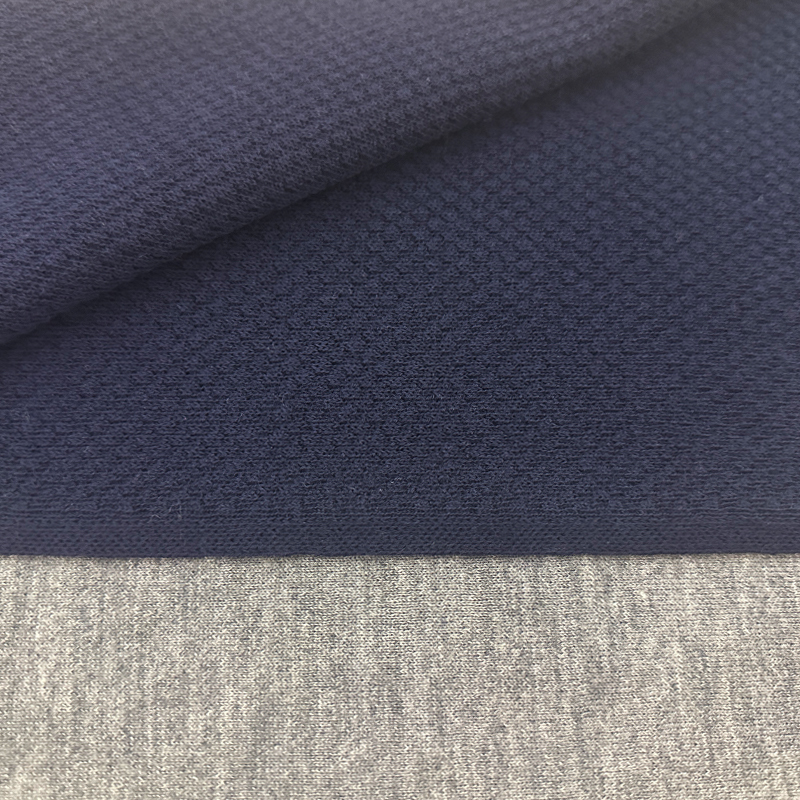 Cashmere Wool Blend Yarn for Soft Warm KnitsA cashmere-wool blend balances luxury softness with added warmth and elasticity, suitable for elegant sweaters and scarves while remaining sensitive to controlled humidity during storage.View Product →
Moth-Proofing a Yarn Stash: Barriers Beat Repellents
Moths are stopped by physical barriers, not by hope or scent alone. Cedar blocks and lavender sachets repel moths, but they do not kill eggs or larvae; a sealed bin or resealable bag does.
- Bag the yarn. Double-seal it in a freezer bag and press out the air.
- Freeze at -18°C for 72 hours. This kills eggs, larvae, and adult clothes moths.
- Thaw the bag for 24 hours, then refreeze for another 72 hours. The second cycle catches any survivor.
- Move the yarn into a clean, sealed container and add a desiccant packet if room humidity is above 55%.
Before bagging, brush or gently wash items that were worn or stored near food. Moth larvae prefer soiled protein fibers, and a clean skein is a less inviting target. Keep hanks folded, never hung, because gravity stretches the yarn and opens the twist.
Clothes moth larvae avoid light and activity. Rotate the stash twice a year, check the bottom corners of every bin, and use pheromone traps near the storage area as a monitoring tool, not as a cure.
Shelf Life and Rotation: How Long Can Stored Yarn Last?
Yarn does not expire, but it does age. UV light fades dyes, oxygen yellows pale wool, and dust settles into spun yarn and pulls in moisture. In the sealed warehouse of Jiangsu Haoye Fiber Technology Co., Ltd., a backup worsted cone kept at 50% relative humidity still knitted to gauge after four years.
For a garment meant to be worn across many seasons, wool-nylon is a deliberately durable choice: nylon adds abrasion resistance, and the blend stores predictably without dramatic changes in hand feel.
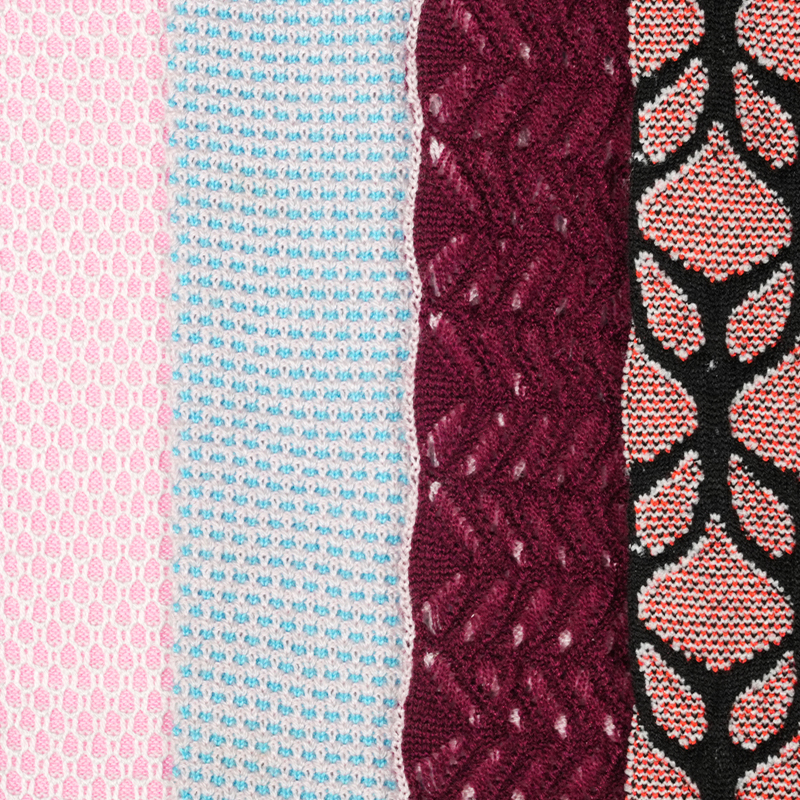 Durable Wool Nylon Yarn for Everyday WearThis wool-nylon blend adds abrasion resistance to natural wool, offering lasting color and shape retention for garments and home textiles, while still requiring careful moisture management in storage.View Product →
65% relative humidity is the threshold where mildew develops on stored wool. Stay below it in every season, and yarn from the same lot will match from first skein to last.
Storage Setups: From One Shelf to a Small Workshop
The right setup follows stash size and climate. A dry apartment and a humid coastal studio need different answers; match the container to the room, not to a photo.
Open shelving
- Best for yarn in active rotation
- Color-coded inspiration and easy access
- Dust settles into spun yarn and draws moisture
- Window light fades outer hanks within weeks
- Move long-term projects out after three months
Sealed storage
- Best for any stash kept longer than three months
- Clear bins keep colors visible without light damage
- Zip-close bags inside for individual lots or projects
- Desiccant packet above 55% room humidity
- Label every bag with fiber content and lot number
Small stash (under 20 skeins)
Clear bins with fitted lids block dust and light while keeping colors visible. Store each project in its own zippered bag with the ball band inside, and note fiber content and lot number on tape. If the room passes 60% humidity for more than a few weeks, add desiccant packets.
Bulk cones and studio stock
Stand cones upright on open racks so the yarn keeps its shape, keep the sample card attached to the matching bin, and inspect stock quarterly. When you order custom yarn for a production program, store refill cones under the same rules as the original delivery so the color and spin stay consistent.
Frequently Asked Questions About Storing Yarn
Can I store yarn in vacuum bags?
Yes, with one caveat: full vacuum flattens the air between fibers, which can crush the loft of woolen-spun yarns and distort boucle or brushed textures. Use partial vacuum for wool, or reserve full vacuum for acrylic and nylon blends, and keep the bag cool and dark.
Does freezing yarn kill moth eggs?
Yes. Seventy-two hours at -18°C kills eggs, larvae, and adult clothes moths. After thawing, move the yarn into a sealed container right away, and refreeze once more if you want certainty against eggs that survived the first cycle.
How do I remove a musty smell from stored yarn?
Soak hanks in cool water with one part white vinegar per eight parts water for 20 minutes, rinse gently, press out moisture without wringing, and dry flat away from direct sun. Never use bleach; chlorine destroys protein fibers.
Is it better to store yarn as hanks or cakes?
For long-term keeping, hanks folded flat preserve twist and elasticity better than cakes, which hold winder tension. If you store cakes, rewind them loosely and place them flat in a sealed bag with the lot number.
The one move that beats everything: seal the container, label the lot, and check the humidity twice a year. That turns a yarn stash from a worry into an asset.



Contact Us for more details
Quick Links
Products
Contact Information
Address: No.2 Huangtai Rd, Yunting, Jiangyin, Jiangsu, China
Tel: +86-510-86018587
Mobile: +86-18261518580
Email: [email protected]
