
 Search


 English
 Français
 русский
 Español
News
 Home / News / Industry News / Is Acrylic Warm? What Yarn Buyers Need to Know About Real Warmth and Blends
Is Acrylic Warm? What Yarn Buyers Need to Know About Real Warmth and Blends
 2026.10.28
 Industry News
Ask ten knitters whether acrylic is warm and you will get ten answers that start with 'yes, but'. The yes comes from physics: a dense acrylic knit traps enough still air to keep a head warm at sub-zero temperatures. The but comes from moisture: acrylic absorbs only about 2 percent of its own weight in water, while wool absorbs up to 30 percent. As soon as the wearer sweats, a beanie that felt toasty turns damp and cold against the skin. The practical answer to 'is acrylic warm' is: very warm when dry, marginal when damp. For yarn buyers, knitwear designers, and production teams, that small distinction decides which fiber to specify for hats, gloves, sweaters, and machine-knitted production runs. Jiangsu Haoye Fiber Technology Co., Ltd., a yarn manufacturer with 21 years in the fiber trade, makes this assessment against real production data every day.
This guide compares acrylic against wool and wool-acrylic blends using measurable fiber data, then explains which garment types and use cases each fiber fits best.
What Warm Really Means Inside a Knitted Fabric
Warmth in a knitted fabric is not a property of a single fiber; it is a function of the still air trapped inside the yarn structure.
Still air conducts heat about eight times more slowly than solid fiber: roughly 0.026 W/mK for air versus about 0.2 W/mK for wool and acrylic alike. A knit is a network of small air chambers held in place by fiber walls. Every comparison that follows comes back to one question: how much air can the yarn trap, and how long does it keep that air under real wear?
Fiber Definition
Warmth in knitwear equals the volume of still air a yarn traps per gram, per square metre of fabric, minus the air it loses when moisture or compression collapses the structure.
Gauge matters as much as the fiber. A dense 2-ply acrylic knit is often warmer than a loose 12-gauge wool knit because the structure blocks wind and holds air inside the chambers. The fiber only becomes decisive when the wearer sweats, the garment is worn under compression, or the product must survive repeated washing.
How Acrylic Traps Heat: The Dry-Warmth Case
Acrylic yarn is genuinely warm in dry cold because acrylic fibers are bulky, low-density, and engineered with crimp, giving each gram of yarn a large volume of insulating air.
Acrylic density sits near 1.17 g/cm³, wool closer to 1.31 g/cm³, so a kilogram of acrylic produces more yarn volume, and in a knit that volume becomes trapped air. Acrylic also dries fast. Because it barely absorbs moisture, sweat and rain sit on the surface instead of soaking the fabric, and the loft is ready again by the next morning.
50-70% In most yarn markets, acrylic costs 50 to 70 percent less than undyed merino wool while delivering comparable dry insulation, which is the main reason acrylic dominates low-cost winter accessories.
W01
Lightweight warmth: high volume per gram, ideal for hats and scarves that must not feel heavy.
W02
Fast drying: one night on a rack restores full loft even after heavy condensation.
W03
Low allergen profile: no lanolin and no animal fibers for sensitive-skin applications.
For sedentary wear, office cardigans, commutes, and indoor beanies, acrylic provides the practical warmth of wool in controlled dry conditions.
The Three Limits of Acrylic Warmth
Acrylic warmth fails in three predictable situations: moisture, friction, and high heat.
First, moisture. Standard moisture regain is about 2 percent for acrylic and 16 percent for wool, and wool can hold up to 30 percent of its weight in water vapor before feeling wet. When the body heats inside an acrylic garment, sweat cannot be absorbed or released; it stays on the skin and chills by evaporation. Second, friction. Acrylic pills readily, and a pilled surface mats and loses loft, shrinking the air chambers that produce warmth. Third, heat: acrylic is thermoplastic and melts under ironing or near a flame, while wool forms a self-extinguishing char.
| Property | Acrylic | Wool | 50/50 Blend |
| Fiber density (g/cm³) | 1.17 | 1.31 | ~1.24 |
| Moisture regain (%) | 2 | 16 | ~9 |
| Warmth when dry | High | High | High |
| Warmth when damp | Low | Maintained | Moderate |
| Pilling resistance | Fair | Good | Good |
| Flame behavior | Melts | Self-extinguishing | Intermediate |
| Relative yarn cost | Low | High | Medium |
These are not marketing distinctions. Each row decides what a finished garment can promise to its end customer.
Is Acrylic Warm Enough for Winter Apparel? The Numbers
Acrylic is warm enough for low-activity winter wear; wool or a wool blend is needed when the wearer perspires, the weather turns wet, or the garment must stay warm for a full day outdoors.
2%Acrylic moisture regain
16%Wool moisture regain
1.17Acrylic density, g/cm³
8xAir insulates better than fiber
Moisture Regain by FiberPercent at 65% relative humidity
Wool16%
Cotton8.5%
Nylon4%
Acrylic2%
Polyester0.4%
2% versus 16%: the gap in the chart is the gap between a hat that stays warm through a ski run and a hat that turns cold after the first sweat.
In dry conditions, bulk and density dominate the comparison: a chunky acrylic can match a mid-weight wool fabric in insulation. The difference appears in motion. A walker who builds up sweat inside a 2 percent regain fiber will feel the acrylic-wool boundary within twenty minutes.
Why Wool-Acrylic Blends Give You More Seasons of Warmth
A wool-acrylic blend is the most reliable answer when you need acrylic's price and washability together with wool's moisture control.
In a 50/50 yarn, wool fibers absorb and release vapor, delaying the clammy feeling, while acrylic keeps the loft, lightens the garment, and speeds up drying. A minimum of 20 to 30 percent wool is needed to feel the moisture benefit; above 70 percent wool, the acrylic contributes mostly cost and shape retention.
100% Acrylic
- Predictable dry warmth
- Lowest material cost
- Loses warmth when damp
- Pills under friction
Wool-Acrylic Blend
- Buffers sweat and vapor
- Maintains loft in motion
- Medium cost position
- Longer warmth during activity
Haoye Fiber produces wool-acrylic and tencel wool acrylic blended yarns for flat-knit sweaters, circular-knit fabric, and accessory production. The tencel component adds a soft hand for next-to-skin products without sacrificing warmth.
20-30%
Minimum wool content needed to add meaningful moisture buffering to an acrylic-based blend.
50/50
The most common commercial ratio for winter knitwear: balanced cost, drying speed, and insulation.
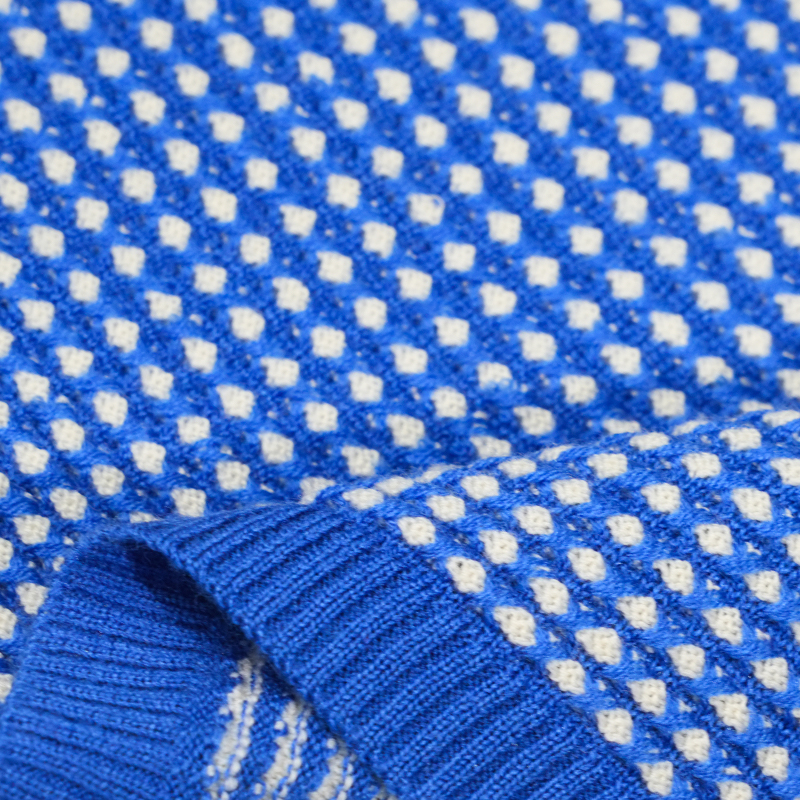 Wool Acrylic Yarn for Balanced Winter KnitwearThis wool-acrylic blend offers natural softness with added durability and easy care, ideal for sweaters and scarves. It suits the common commercial ratio for cost, drying, and insulation.View Product →
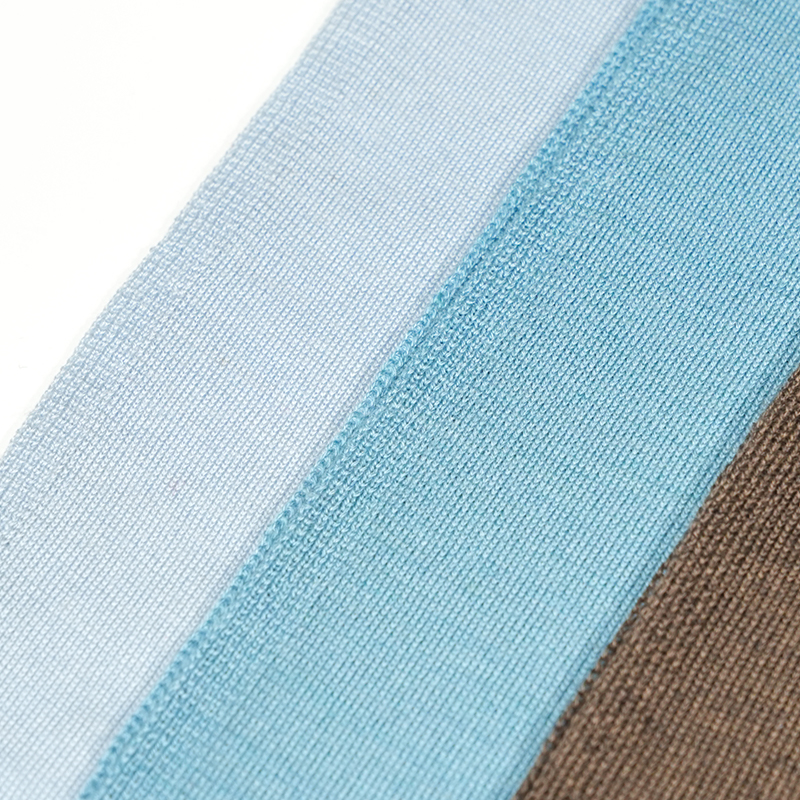 Tencel Wool Acrylic Yarn for Breathable ComfortCombining Tencel's lightness, wool's warmth, and acrylic's wrinkle resistance, this yarn feels silky and adapts to seasons. A good option when comparing moisture behavior and care routines.View Product →
How to Choose the Right Warm Yarn for Your Project
Match the yarn's moisture behavior to the wearer, the activity level, and the washing routine before you match the color.
Beanies, scarves, and gloves for everyday city wear: wool-acrylic blend, medium gauge, brushed finish.
Heavy sweaters for wet-snow conditions: 100% wool or a wool-cashmere blend with a dense knit structure.
Next-to-skin fashion knits: tencel wool acrylic for softness and drape, warm enough for indoor layers.
Socks and anything under walking pressure: wool-nylon for abrasion resistance; bare acrylic wears through quickly.
Production volumes: order a custom blend from the yarn manufacturer so the moisture behavior is engineered into the yarn, not improvised at the knit stage.
Before a bulk order, knit one test swatch in 100% acrylic, one in 100% wool, and one in a 50/50 blend. Wash them three times, then compare loft and hand feel. Haoye Fiber's stock yarn sample and small-batch yarn services are built for exactly this kind of comparison.
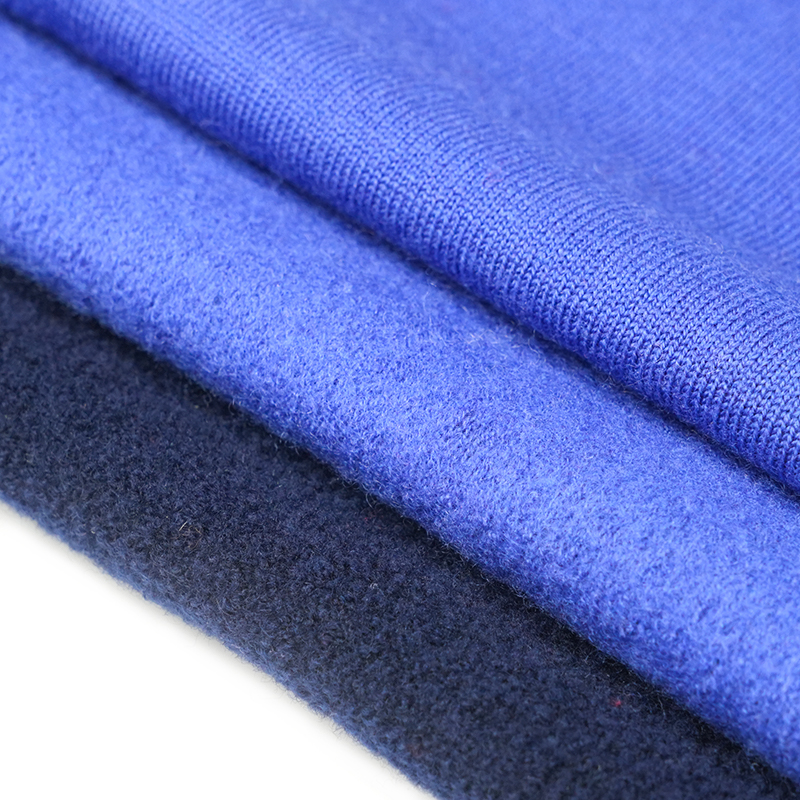 Pure Wool Yarn for Test Swatches and WarmthCrafted from 99.99% wool, this yarn provides fine softness, breathability, and insulation. With the suggestion to knit test swatches, this product supports comparing hand feel after repeated washing.View Product →
Frequently Asked Questions About Acrylic Warmth
These four questions come up most often in yarn selection meetings and knitting forums alike.
Is acrylic yarn warm enough for winter hats?
Yes, for dry cold. A dense acrylic beanie traps air and blocks wind effectively at sub-zero temperatures. For wet snow or high-exertion wear, switch to a wool-acrylic blend or add a fleece lining.
Why does an acrylic sweater feel colder than wool when I sweat?
Acrylic's moisture regain is about 2 percent, so sweat cannot be absorbed into the fiber. It stays on the skin and causes evaporative cooling, which feels like a sudden cold patch. Wool absorbs up to 30 percent of its weight in moisture vapor and releases it slowly.
Are wool-acrylic blends warmer than pure acrylic?
In dry conditions the difference is small. In damp conditions or during physical activity, the wool content maintains warmth better because it buffers moisture and keeps the air chambers from collapsing. A blend with at least 20 to 30 percent wool makes the most measurable difference.
Does pilling make acrylic less warm over time?
Yes. Pilled fibers mat together, reducing loft and shrinking the still-air pockets. Once the surface becomes fuzzy and compacted, an acrylic garment loses a noticeable part of its insulation value.
If you remember one figure from this guide, remember 2 versus 16. Acrylic delivers honest dry warmth at a low price; wool and wool blends manage moisture, and that is what keeps the wearer warm when the walking starts. Specify the fiber by the moisture situation, not by the warmth claim.



Contact Us for more details
Quick Links
Products
Contact Information
Address: No.2 Huangtai Rd, Yunting, Jiangyin, Jiangsu, China
Tel: +86-510-86018587
Mobile: +86-18261518580
Email: [email protected]
