
 Search


 English
 Français
 русский
 Español
News
 Home / News / Industry News / 8 Ply Yarn Weight Guide: DK Equivalents, Knitting Gauge, WPI, and Needle Sizes
8 Ply Yarn Weight Guide: DK Equivalents, Knitting Gauge, WPI, and Needle Sizes
 2026.11.25
 Industry News
A six-thousand-meter lot of 8 ply yarn was rejected by a garment factory last spring because the cones read NM 2/28 and the production manager expected a DK gauge of 22 stitches per 4 inches, not the 24 stitches the yarn actually produced. The label was correct. The expectation was not. This is the core misunderstanding behind 8 ply yarn weight: it is a thickness class inherited from the British ply system, not a promise of any particular strand count. Knowing the difference between the label convention and the engineering measure saves hours of gauge rework and can prevent an expensive order from being returned.
What Does 8 Ply Yarn Weight Actually Mean?
8 ply yarn weight is the UK, Australian, and New Zealand thickness category that corresponds to DK, short for double knitting, on the Craft Yarn Council scale. The two names describe the same fabric density, and both are widely used in commercial yarn specs and knitting patterns.
The word ply originally referred to the number of strands twisted together, so an 8 ply yarn contained eight comparable strands of similar linear density. That system made sense when all yarns were spun from the same wool base, but commercial spinning has changed. Modern machines produce single-ply and two-ply yarns with the same diameter and knitted gauge as the historical 8 ply structure, and they are still marketed as 8 ply. The thickness, not the strand geometry, is what defines the category.
The practical definition is gauge-based: an 8 ply yarn knits to roughly 20 to 24 stitches per 4 inches on 3.75 to 4.5 mm needles, with 22 stitches as the reference density used by pattern writers and production mills.
8 ply yarn weight: a thickness class standardized by knitted gauge, equivalent to DK in the Craft Yarn Council system, typically measuring 11 wraps per inch.
Where 8 Ply Yarn Weight Sits in the International Weight System
In the Craft Yarn Council system, 8 ply yarn weight is category 3, the Light class, and the US name for the same category is DK. In Australia and New Zealand, 8 ply and DK are used interchangeably on retail labels and in commercial communications.
The table below aligns the main thickness categories around 8 ply with their US names, knitting gauges, needle recommendations, and wraps per inch.
| US category | UK / AU / NZ name | Knit gauge (sts / 4 in) | Needle size | WPI |
| 2 (Fine) | 5 ply / sport | 23-26 | 3.25-3.75 mm | 13 |
| 3 (Light) | 8 ply / DK | 20-24 | 3.75-4.5 mm | 11 |
| 4 (Medium) | 10 ply / worsted | 16-20 | 4.5-5.5 mm | 9 |
| 5 (Bulky) | 12-14 ply / aran | 12-16 | 5.5-8 mm | 7 |
The 8 ply row overlaps with the rows above and below it. A loosely knit 8 ply fabric can reach 24 stitches, which touches the bottom of the sport range, and a tightly knit worsted yarn can produce 20 stitches, which touches the top of the 8 ply range. This overlap is where most substitution mistakes occur.
An 8 ply yarn is one category above sport weight and one category below worsted weight. The gauge range tells you which side of the boundary a particular cone will sit on.
Gauge, Needle Size, and WPI for 8 Ply Yarn Weight
A swatch of 8 ply yarn knit on 4 mm needles at 22 stitches and 30 rows over 4 inches produces a fabric that hangs well, holds stitch definition, and still has enough weight for autumn and winter shapes. These four numbers are the working specification for 8 ply.
20-24Knit gauge per 4 in
3.75-4.5Needle size (mm)
4.5-5.5Crochet hook (mm)
11WPI
Lace
27-32
Sport
23-26
8 Ply / DK
20-24
Worsted
16-20
Aran
14-18
Bulky
10-14
Stitch gauge ranges per 4 inches, Craft Yarn Council categories
The chart compares stitch ranges across the Craft Yarn Council scale. The 8 ply bar starts where sport weight ends and finishes where worsted weight begins, which is exactly why a project written in 8 ply should not be knit with worsted yarn unless the pattern has been re-swatched.
Use 22 stitches per 4 inches as the 8 ply reference. Knit at 24 for dense cables, at 20 for drapey lace, and check the swatch after washing before scaling a garment.
How to Identify 8 Ply Yarn With the WPI Test
You do not need a ball band to identify 8 ply yarn; a ruler and a pencil are enough. The wraps-per-inch method, WPI for short, measures how many times the yarn wraps around a ruler within a single inch. Because yarn thickness determines this number directly, WPI has become the quick check used in shops and studios.
- Wrap the yarn around a ruler across a 2-inch span, keeping strands side by side without stretching or overlapping.
- Count only the wraps in the middle inch, skipping the edge wraps where the yarn can distort.
- Compare the count with the WPI values in the table above. 8 ply registers about 11 wraps per inch.
Hand-dyed or irregular yarns can vary by one wrap, so test two different sections of the same skein. If the count shifts by more than one, the yarn is unlikely to produce a consistent gauge across a large batch.
11 WPI is the 8 ply target. 12 or more points to sport weight. 9 or fewer points to worsted. Check two different sections before making a decision.
Best Uses for 8 Ply Yarn in Garments and Production
Because 8 ply yarn weight sits at the boundary between light and medium fabrics, it is the most versatile category for year-round knitwear. It is fine enough for layering pieces and dense enough to hold structure in open stitches and textured patterns.
- Pullovers and cardigans: the 22-stitch gauge gives drape without the bulk of heavier yarns, and stitch definition stays crisp in cables and ribbing.
- Baby and children's clothing: 8 ply survives repeated washing at this gauge while staying soft against skin when spun from fine merino or a wool-cotton blend.
- Socks: a wool-nylon 8 ply combination creates a durable fabric that still fits inside regular shoes.
- Shawls, scarves, and neckwear: open lace and twisted stitch patterns both hold their shape at 20 to 22 stitches.
For production, 8 ply is efficient on flat-bed and circular knitting machines. Its gauge range covers multiple garment styles, from lightweight cardigans to mid-weight pullovers, which reduces the number of yarn stocks a factory needs to hold.
A 100 percent wool 8 ply cone with a defined twist is the first choice for garments that need memory and a clean surface. Adding nylon or acrylic shifts the balance toward durability and ease of care, and that is why blend selection matters as much as the weight class.
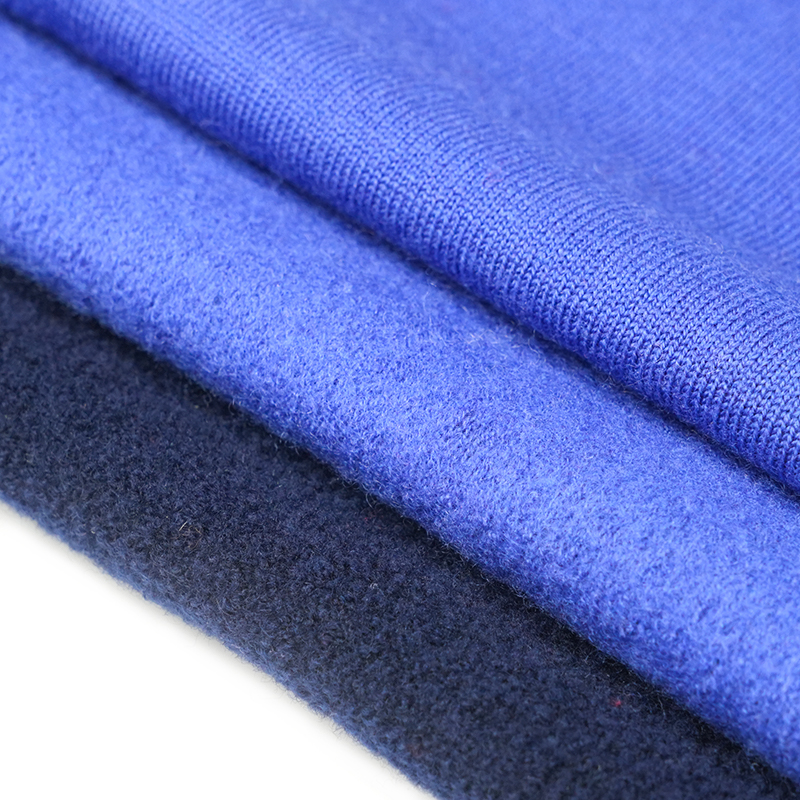 Pure Wool Yarn for 8 Ply Knitting ProjectsThis 99.99% pure wool yarn offers softness, warmth, and breathability, making it a reliable choice for bulk 8 ply production where gauge and hand must be verified before ordering.View Product →
What Buyers Should Verify When Sourcing 8 Ply Yarn
For bulk orders, writing 8 ply on a specification sheet is not enough. The yarn count, twist level, and fiber blend decide whether the finished fabric meets the agreed gauge and hand. A reliable supplier provides the full technical spec and a knitted swatch before production.
The metric yarn count system, written as NM, is the measurement that matters in commercial worsted spinning. NM 2/28 is the most common density that knits to DK gauge; NM 2/30 runs slightly finer and NM 2/24 knits heavier. A 0.5 mm change in needle size shifts the gauge by two to three stitches, but changing the count alters drape and cover in a different way.
Spinning method also changes the result. Worsted-spun 8 ply has a compact, smooth surface with crisp stitch definition, while woolen-spun yarn traps more air and knits up bulkier at the same count. A buyer's first question should be which spinning method the mill used before sampling.
When a project calls for 8 ply and the mill only stocks a single-ply woolen structure, request a sample and adjust the stitch density on your machine before committing to volume. That single step separates reliable production from repeated rework. For a custom yarn request, send the full specification rather than just the weight name.
When you request 8 ply yarn weight from a supplier, ask for the NM count and the expected density per 10 cm. The common commercial benchmark is NM 2/28 at 22 stitches per 4 inches.
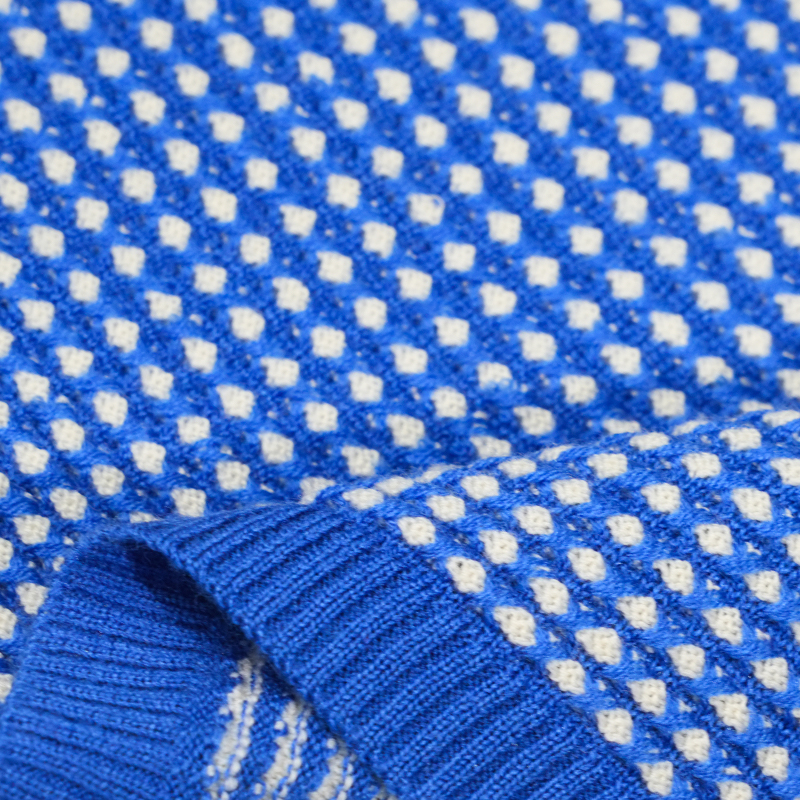 Wool Acrylic Blend Yarn with DK EquivalenceA durable, easy-care blend that combines wool's natural texture with acrylic's resilience. Ideal for 8 ply projects when suppliers require a versatile alternative to single-ply woolen structures.View Product →
Frequently Asked Questions About 8 Ply Yarn
Is 8 ply the same as DK yarn?
Yes. DK, which stands for double knitting, is the US name for the same thickness category that is called 8 ply in the UK, Australia, and New Zealand. Both names sit in Craft Yarn Council category 3, Light weight.
How many strands does an 8 ply yarn actually have?
It can have one, two, four, or another number of physical plies. The name 8 ply comes from a historical convention in which eight comparable strands were twisted together. Modern mills produce the same thickness with fewer strands, and the category is defined by gauge, not strand count.
Can I substitute worsted weight for 8 ply?
Worsted weight is one full category heavier than 8 ply. Substituting it changes the gauge by three to six stitches per 4 inches, affecting fit, fabric density, and yardage. Smaller needles do not fully compensate; the resulting fabric will be tighter and heavier than the pattern intended.
What crochet hook should I use for 8 ply yarn?
Use a 4.5 to 5.5 mm hook for most 8 ply crochet patterns. Single crochet works best at the smaller end of the range, while double and treble crochet stitches need the larger sizes to keep an even drape.
If you are sourcing 8 ply yarn for a new season, order a sample cone, knit a full swatch, wash it, and measure before you commit. The weight name starts the conversation; the gauge test ends it.



Contact Us for more details
Quick Links
Products
Contact Information
Address: No.2 Huangtai Rd, Yunting, Jiangyin, Jiangsu, China
Tel: +86-510-86018587
Mobile: +86-18261518580
Email: [email protected]
