
 Search


 English
 Français
 русский
 Español
News
 Home / News / Industry News / What Is the Difference Between Bouclé and Slub Yarns? A Comprehensive Guide to High-Count Fancy Wool Yarns
 What Is the Difference Between Bouclé and Slub Yarns? A Comprehensive Guide to High-Count Fancy Wool Yarns
 2026.05.08
 Industry News
High-grade wool fancy yarns are the ultimate medium for transforming premium raw fibers into textiles with extraordinary visual depth and tactile richness. Unlike standard yarns that prioritize uniformity and basic functionality, these yarns deliberately introduce structural irregularities—such as slubs, loops, and bouclé profiles—to maximize the natural resilience and luster of premium wool. They serve a dual purpose: they elevate the aesthetic language of a garment, making it a statement of luxury, while simultaneously enhancing the fabric's functional performance, including insulation, breathability, and drape. In an industry where consumers increasingly demand unique, sustainable, and high-performance products, high-grade wool fancy yarns provide designers and manufacturers with an irreplaceable tool to create differentiated, enduring, and emotionally resonant textiles.
Defining Characteristics and Structural Aesthetics
The defining feature of high-grade wool fancy yarns lies in their deliberate manipulation of texture and structure. Through specialized spinning techniques, the yarn is engineered to possess intentional variations in thickness, twist, and contour. These variations are not defects; rather, they are carefully calculated design elements that interact with light and shadow to create a dynamic visual experience. When crafted from high-grade wool, such as fine merino, these structural anomalies benefit immensely from the fiber's natural crimp and elasticity, ensuring that the textured patterns maintain their definition and do not flatten out over time.
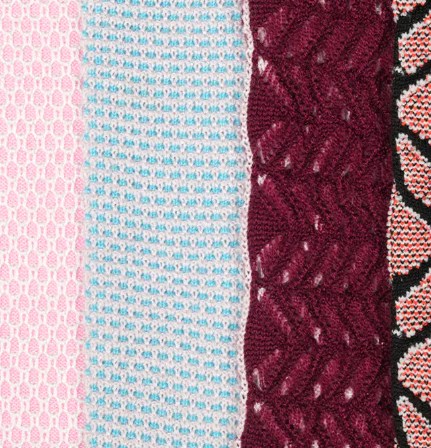
The aesthetic appeal of these yarns is rooted in their three-dimensionality. A smooth, standard yarn creates a flat surface, whereas a fancy yarn builds topography. This topography can range from subtle, intermittent slubs that mimic the organic imperfections of hand-spun fibers, to pronounced, tight loops that create a dense, cushioned surface. The way these yarns catch and diffuse light is entirely different from standard yarns, giving the finished fabric a rich, shifting appearance that changes depending on the viewing angle and the draping of the garment.
Common Structural Profiles
Understanding the structural profiles of fancy yarns is crucial for their effective application. Each profile imparts a distinct character to the final textile:
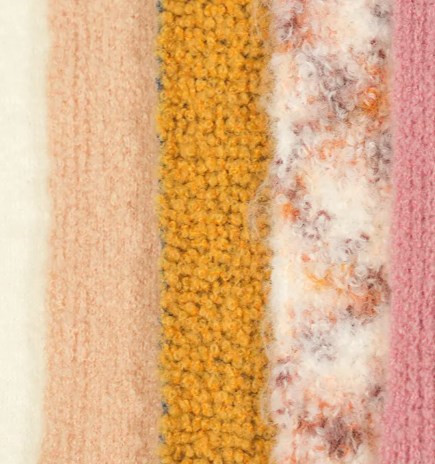
- Bouclé: Characterized by a core yarn wrapped with a binder, creating tightly curled loops that stand out from the surface. This structure is highly effective for creating voluminous, lightweight fabrics with excellent insulating properties.
- Slub: Features intentionally irregular thickness, with soft, untwisted thick spots interspersed with thinner, tightly twisted sections. This creates an organic, hand-crafted aesthetic that is highly sought after in both knitwear and woven textiles.
- Chenille: Built around a central core with fibers standing out at right angles, creating a dense, velvety pile. High-grade wool chenille offers a plush, tactile surface that is exceptionally soft and warm.
- Brushed and Halo Yarns: These yarns undergo a finishing process that teases out the fiber ends, creating a soft, fuzzy aura or "halo" around the yarn. This not only softens the fabric's appearance but also traps air, significantly boosting thermal retention.
The Inherent Advantages of High-Grade Wool
The choice of fiber is paramount in fancy yarn production. While fancy structures can be applied to any material, applying them to high-grade wool unlocks a synergy of structure and fiber quality that cannot be replicated by synthetic or lower-grade alternatives. High-grade wool, typically sourced from specific breeds of sheep raised in optimal conditions, possesses a fine micron profile, a consistent crimp, and a natural lipid coating that enhances both its performance and its longevity.
Thermal Regulation and Moisture Management
One of the most significant practical benefits of high-grade wool is its ability to regulate temperature and manage moisture. The natural crimp of the wool fibers creates microscopic air pockets within the yarn structure. When combined with the added bulk of a fancy yarn profile—such as the loops of a bouclé—this insulating capacity is multiplied, resulting in remarkably warm fabrics without being heavy. Furthermore, wool is hygroscopic, meaning it can absorb moisture vapor from the body and release it into the atmosphere, keeping the wearer dry and comfortable across a range of environmental conditions.
Durability and Elastic Recovery
High-grade wool exhibits superior elasticity compared to many other fibers. It can stretch and recover repeatedly without losing its shape. This inherent elasticity is critical for fancy yarns, whose complex structures are often subjected to tension and friction during both the manufacturing process and the wearer's everyday use. The resilience of premium wool ensures that the loops, slubs, and pile effects maintain their structural integrity, preventing the garment from sagging or distorting over time. The combination of high-grade wool's natural resilience and the engineered structure of fancy yarns results in a textile that retains its luxurious appearance through years of use.
The Crafting Process: Spinning Techniques and Engineering
Creating high-grade wool fancy yarns is a sophisticated engineering challenge. It requires a deep understanding of fiber dynamics and precise control over the spinning machinery. Unlike the production of standard two-ply yarns, the manufacturing of fancy yarns involves feeding multiple yarns—or rovings—at different speeds and tensions to force the fibers into specific configurations. The process is as much an art as it is a technical discipline, demanding constant oversight and adjustment by skilled technicians.
Core-Spun and Binder Dynamics
Most fancy yarns rely on a composite structure consisting of a core and a binder. The core yarn provides the tensile strength and structural foundation of the fancy yarn. It must be robust enough to withstand the stresses of subsequent weaving or knitting. The effect yarn, which is usually the high-grade wool, is fed into the machine at a carefully calculated differential speed to encourage it to form loops, coils, or slubs around the core. Finally, the binder yarn is introduced, tightly wrapping around the effect yarn and the core to lock the decorative elements permanently into place. The tension of the binder is critical; if it is too loose, the fancy effect will slip and deform; if it is too tight, it can crush the delicate wool fibers, flattening the intended texture.
Twist Engineering and Fiber Control
Twist is the force that holds the yarn together, and in fancy yarn production, it is manipulated to achieve specific aesthetic and functional outcomes. High twist levels can create crisp, defined loops, while lower twist levels yield softer, more relaxed textures. When working with high-grade wool, spinners must carefully balance the twist to ensure the fiber's natural softness is not compromised by an overly harsh construction. Controlling fiber migration—the way fibers move from the core to the surface and vice versa—is essential for maintaining both the visual effect and the structural stability of the yarn.
Strategic Applications in Luxury Textiles
The application of high-grade wool fancy yarns is a strategic choice that directly influences the market positioning of the final product. These yarns are predominantly used in the luxury and premium sectors, where the consumer is willing to invest in unique textures, superior comfort, and visual distinction. The versatility of these yarns allows them to be deployed across a wide spectrum of textile products, from fashion-forward garments to statement interior pieces.
High-End Fashion and Outerwear
In the realm of fashion, high-grade wool fancy yarns are most prominently featured in knitwear and outerwear. A bouclé wool yarn, for instance, can be used to create a coat with a soft, voluminous silhouette that drapes beautifully and provides exceptional warmth. Slub yarns are frequently employed in oversized sweaters and scarves to impart a cozy, artisanal feel. The three-dimensional nature of the yarn adds visual interest to simple, minimalist silhouettes, allowing designers to create impactful garments without relying on complex cuts or excessive seaming. Furthermore, the natural breathability of wool ensures that these often voluminous garments remain comfortable to wear in heated indoor environments.
Interior Textiles and Upholstery
Beyond apparel, high-grade wool fancy yarns play a vital role in interior design. Wool's inherent flame resistance, sound-absorbing qualities, and durability make it an ideal choice for upholstery and decorative textiles. Fancy yarns introduce a tactile dimension to interiors, creating throws, cushions, and upholstered furniture that invite interaction. A chenille or looped wool yarn used in a sofa fabric not only provides a luxurious seating experience but also helps to dampen ambient noise, contributing to a more serene and comfortable living space.
| Yarn Profile | Primary Fashion Application | Primary Interior Application |
|---|---|---|
| Bouclé | Coats, Jackets, Statement Knitwear | Upholstery, Accent Cushions |
| Slub | Casual Sweaters, Scarves, Shawls | Decorative Throws, Lightweight Curtains |
| Chenille | Evening Wraps, Textured Sweaters | Heavy Drapery, Soft Furnishings |
| Brushed/Halo | Lightweight Cardigans, Baby Knits | Bed Throws, Cozy Blankets |
Design Considerations and Practical Implementation
While high-grade wool fancy yarns offer immense creative potential, they also present specific challenges during the design and manufacturing process. Working with these yarns requires a thorough understanding of their behavior on knitting machines and looms. Failure to account for the yarn's unique characteristics can lead to production inefficiencies, fabric defects, and garments that do not perform as expected. Designers and technicians must collaborate closely to ensure that the aesthetic vision is translated into a viable, high-quality textile.
Machinery Settings and Tension Control
The irregular shape and increased bulk of fancy yarns mean they do not flow through machinery as smoothly as standard yarns. Knitting machines and looms must be adjusted to accommodate the yarn's physical dimensions. Tension settings are particularly critical. Excessive tension will stretch the fancy yarn, pulling the loops or slubs out of shape and potentially breaking the delicate wool fibers. Inconsistent tension can result in an uneven fabric where the fancy effect is concentrated in some areas and sparse in others. Feeder systems and tensioning devices must be carefully calibrated to handle the yarn gently, ensuring the structural integrity of the fancy effect is preserved throughout the manufacturing process.
Fabric Construction and Drape
The choice of stitch or weave structure must complement the fancy yarn. Complex, tightly structured weaves or heavily textured knit stitches can compete with the yarn's own texture, creating a cluttered, overworked appearance. Conversely, simple, open structures allow the fancy yarn to be the focal point. However, the designer must also consider stability. Because fancy yarns are inherently bulkier, they can create looser, less stable fabrics. It is often necessary to combine a fancy yarn with a finer, stabilizing yarn—such as a smooth high-grade wool singles or a durable silk—in the warp or as a secondary feeder in knitting to ensure the fabric retains its shape and drapes elegantly.
Care and Maintenance Protocols
Proper care is essential to maintain the luxurious appearance and performance of high-grade wool fancy yarn textiles. The three-dimensional structures of these yarns can be easily damaged by aggressive washing or improper handling. Consumers must be educated on the specific maintenance requirements of these garments to ensure their longevity.
- Hand Washing or Gentle Cycles: High-grade wool fancy yarns should ideally be hand-washed in cool water using a pH-neutral wool detergent. If machine washing is unavoidable, a dedicated wool or delicate cycle with minimal agitation must be used to prevent felting and distortion of the yarn's loops or slubs.
- Drying Flat: Hanging a wet wool garment, especially one made from a bulky, fancy yarn, will cause it to stretch and lose its shape due to the weight of the absorbed water. These items must be dried flat on a clean towel, away from direct heat or sunlight.
- Proper Storage: Fancy yarn knitwear should be folded and stored flat rather than hung on hangers, which will cause the shoulders to stretch and the garment to elongate. Additionally, natural moth repellents should be used to protect the high-grade wool from insect damage during storage.
The Intersection of Sustainability and Innovation
The future of high-grade wool fancy yarns is inextricably linked to the broader movements of sustainability and technological innovation within the textile industry. As consumers and regulators demand greater environmental responsibility, the production of these yarns is evolving to incorporate eco-friendly practices without compromising on quality or aesthetic value. High-grade wool itself is a naturally renewable and biodegradable fiber, giving it an inherent advantage over synthetic alternatives. However, the processes used to spin, dye, and finish the yarn are undergoing significant transformation.
The Role of Traceability and Ethical Sourcing
For a yarn to be truly considered "high-grade" in the modern market, its quality must extend beyond its physical characteristics to include its ethical and environmental provenance. Full supply chain traceability—from the farm where the wool is shorn to the spinning mill where the fancy yarn is created—is becoming a fundamental requirement for luxury brands. This traceability ensures that the wool has been sourced from farms that practice responsible land management, prioritize animal welfare, and provide fair working conditions. Certifications and transparent reporting are no longer optional; they are essential tools for building consumer trust and justifying the premium price point of high-grade wool fancy yarn products.
Technological Advancements in Fancy Spinning
Innovation in spinning technology is expanding the creative possibilities of fancy yarns while simultaneously improving production efficiency. Modern fancy spinning machines are increasingly equipped with advanced sensors and servo motors that allow for unprecedented control over yarn parameters. This enables the creation of highly complex, multi-effect yarns that change their texture or color along their length. Furthermore, digital prototyping allows spinners to simulate the behavior of a fancy yarn before a single kilogram of high-grade wool is processed, significantly reducing material waste during the development phase. These technological advancements are making it possible to produce intricate, sustainable fancy yarns with greater consistency and lower environmental impact, ensuring that high-grade wool fancy yarns remain at the forefront of luxury textile design.
Overcoming Challenges in Fancy Yarn Production
Despite the clear advantages and the ongoing innovations, producing high-grade wool fancy yarns remains one of the most demanding disciplines in the textile supply chain. The very nature of introducing deliberate irregularities into a spun yarn creates inherent complexities in quality control, production speed, and cost management. Manufacturers must navigate these challenges with precision to deliver a product that meets the exacting standards of the luxury market.
Quality Control and Consistency
Unlike standard yarns, where consistency is the primary metric of quality, fancy yarns require a more nuanced approach. The goal is to produce a yarn that is consistently irregular. The slubs must appear at the expected intervals and be of the expected size; the loops must be uniform in their height and tightness. Achieving this level of controlled irregularity is exceptionally difficult. Minor fluctuations in the raw wool's fiber length, crimp, or moisture content can cause the spinning machine to produce an unintended effect. Quality control teams must conduct rigorous, ongoing inspections, checking the yarn not just for tensile strength and evenness, but for the precise aesthetic parameters of the intended fancy effect. This meticulous attention to structural consistency is what separates a truly high-grade fancy yarn from a poorly manufactured novelty yarn.
Production Speeds and Economic Viability
The production of fancy yarns is inherently slower than that of standard yarns. The complex mechanics of feeding multiple yarns at different speeds, combined with the necessity of frequent machine adjustments, reduce overall output. Furthermore, the high-grade wool required for these yarns is a premium commodity, and the slower processing times add significant labor and overhead costs to the final product. To maintain economic viability, manufacturers must optimize their processes, minimizing downtime and maximizing yield. This often involves investing in state-of-the-art machinery that can run complex fancy effects at higher speeds without sacrificing the delicate handling required by high-grade wool fibers.
Future Trends in High-Grade Wool Fancy Yarns
The landscape of high-grade wool fancy yarns is continually shifting, driven by changing consumer preferences, fashion cycles, and broader macroeconomic trends. Looking ahead, several key trends are poised to shape the development and application of these textiles. The overarching theme is a move towards conscious luxury—products that offer profound sensory and aesthetic pleasure while aligning with ethical and environmental values.
Blending with Innovative Fibers
While pure high-grade wool will always have a place in the luxury market, there is a growing trend towards blending wool with other innovative fibers to enhance the performance or aesthetic of the fancy yarn. Blending wool with fine botanical fibers like Tencel or bamboo can add a subtle, cool luster to the yarn and improve its drape, while blending with high-performance synthetic microfibers can increase the durability and shape retention of complex fancy structures. These hybrid fancy yarns offer designers new avenues for exploration, combining the natural warmth and resilience of wool with the unique properties of other advanced materials.
Texture as a Medium for Emotional Connection
In an increasingly digital world, the physical, tactile qualities of textiles are taking on greater significance. Fancy yarns are being recognized not just as decorative elements, but as powerful tools for creating emotional resonance. The urge to touch a deeply textured bouclé or a soft, brushed wool is a primal response, and designers are leveraging this response to create garments and interiors that offer comfort, grounding, and sensory satisfaction. This focus on "touchability" is driving the development of fancy yarns that are increasingly sophisticated in their tactile profiles—yarns that feel as extraordinary as they look. As the textile industry continues to evolve, high-grade wool fancy yarns will remain an essential medium for translating creative vision into tangible, enduring reality.



Contact Us for more details
Quick Links
Products
Contact Information
Address: No.2 Huangtai Rd, Yunting, Jiangyin, Jiangsu, China
Tel: +86-510-86018587
Mobile: +86-18261518580
Email: [email protected]
