
 Search


 English
 Français
 русский
 Español
News
 Home / News / Industry News / Tencel Wool Acrylic Blended Yarns: High-End Textile Innovation Blending Nature and Technology
 Tencel Wool Acrylic Blended Yarns: High-End Textile Innovation Blending Nature and Technology
 2025.11.08
 Industry News
In the modern textile industry, as consumers' demands for comfort, functionality, and environmental performance continue to rise, blended yarns are becoming a core trend in fabric design. Among them, Tencel Wool Acrylic Blended Yarns, with its unique material structure and performance balance, is being widely used in the production of high-end knitwear, fashion apparel, and functional fabrics. This blended yarn highly combines the advantages of natural and synthetic fibers, bringing the textile industry an innovative solution that combines softness, warmth, and durability.
I. Compositional Characteristics of Tencel Wool Acrylic Blended Yarns
Tencel wool acrylic blended yarns are composed of three fibers with different properties. Tencel is a regenerated cellulose fiber made from wood pulp through an environmentally friendly solvent spinning process, possessing a natural luster, good moisture absorption, and a smooth feel. Its rounded fiber surface effectively reduces skin friction, resulting in a silky-smooth wearing experience.
Wool is renowned for its excellent warmth and natural elasticity, allowing it to regulate temperature and humidity in various environments, resulting in fabrics that balance breathability and warmth. Its natural crimp structure also enhances the yarn's fluffiness, giving the fabric a three-dimensional, soft appearance.
Acrylic is a lightweight, durable synthetic fiber, often referred to as "artificial wool." It possesses good warmth retention, stable colorfastness, and strong resistance to sunlight. The addition of acrylic not only enhances the yarn's durability and resistance to deformation but also optimizes its dyeability and shaping properties to some extent.
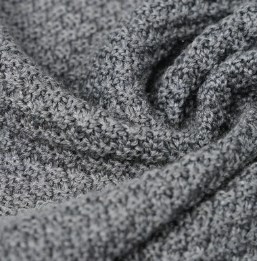
The combination of these three fibers gives Tencel-wool-acrylic blended yarns the comfortable feel of natural fibers and the functional characteristics of synthetic fibers, creating an ideal textile raw material that is environmentally friendly, durable, and high-performance.
II. Performance Advantages of Blend Ratio and Structural Design The performance of Tencel-wool-acrylic blended yarns depends on the scientific design of the blend ratio and yarn structure. The addition of Tencel enhances the yarn's moisture absorption and skin-friendliness, allowing the fabric to quickly regulate humidity and reduce stuffiness when worn. The wool proportion ensures a balance between warmth and breathability, adapting to different climates. The presence of acrylic significantly enhances the yarn's strength and stability, making the fabric crisper and more wrinkle-resistant.
In the spinning process, ring spinning or compact spinning techniques are typically used to ensure tight bonding and even distribution between fibers. This process not only improves yarn hairiness control but also enhances its smoothness and fineness, thereby improving the overall appearance and texture of the fabric. A reasonable blend ratio also improves dyeing consistency, giving the finished fabric a more layered and lustrous look.
III. The Touch and Appearance of Tencel-Wool-Acrylic Blend Yarn
One of the most significant characteristics of this blended yarn is its soft and textured feel. The silkiness of Tencel and the nap of wool blend together, giving the fabric a natural, delicate luster and a warm touch. At the same time, the presence of acrylic gives the yarn better volume, allowing the fabric to remain full and not collapse after shaping. Visually, Tencel-wool-acrylic blended yarns often exhibit a slightly matte texture and natural light and shadow variations. This gentle sheen enhances the elegance and comfort of finished garments. By controlling different spinning densities and twists, fabrics can achieve diverse styles, ranging from lightweight and smooth to warm and thick, thus meeting the different needs of lightweight knitwear in spring and summer to warm fabrics in autumn and winter.
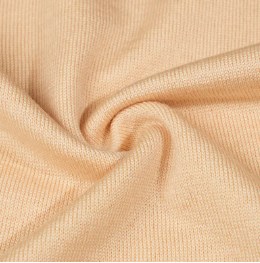
IV. Performance Balance and Diverse Application Scenarios Tencel-wool-acrylic blended yarns balance functionality and comfort, offering great flexibility in application. Due to their excellent resilience and shape retention, this yarn is often used to make sweaters, knitwear, outerwear, and functional sportswear. Tencel provides excellent breathability and moisture-wicking properties, keeping garments dry during exercise or everyday wear; wool's insulating properties make it suitable for autumn and winter clothing designs; and acrylic's abrasion resistance and anti-pilling properties ensure that products maintain a good appearance even after long-term use.
In the home textile industry, this blended yarn also demonstrates superior performance. It can be used not only to make high-end bedding, blankets, and sofa fabrics, but also to achieve soft, fluffy or tightly woven, smooth textures through different weaving techniques, meeting the aesthetic and durability requirements of home furnishing products.
Tencel Wool Acrylic Blended Yarns, with their unique fiber combination, comfortable feel, and excellent performance balance, showcase the direction of integrated innovation in the textile industry. It not only embodies the perfect combination of nature and technology, but also foreshadows a new development trend in the future of textiles regarding "function, aesthetics, and sustainability." With advancements in spinning technology and upgrades in the consumer market, this type of blended yarn will continue to play an important role in the global high-end textile sector, becoming a model for the modern textile industry's move towards environmental protection and high performance.



Contact Us for more details
Quick Links
Products
Contact Information
Address: No.2 Huangtai Rd, Yunting, Jiangyin, Jiangsu, China
Tel: +86-510-86018587
Mobile: +86-18261518580
Email: [email protected]
