
 Search


 English
 Français
 русский
 Español
News

Softness Knitted Wool Fabrics: A Warm and Comfortable Textile Choice
 2025.11.22
 Industry News
In the modern textile industry, softness knitted wool fabrics have garnered significant attention for their exceptional warmth, comfortable feel, and superior elasticity. As a preferred material for high-end apparel and home textiles, softness knitted wool fabrics continuously innovate in design, craftsmanship, and functionality, meeting the diverse needs of consumers for high-quality textiles.
Raw Material Characteristics of Softness Knitted Wool Fabrics
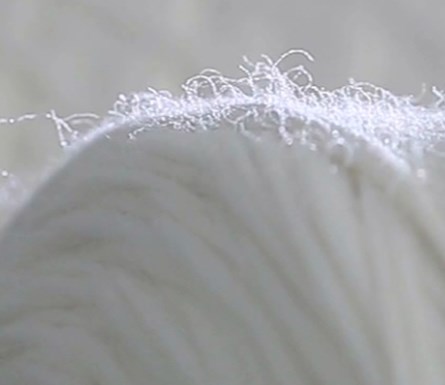
Softness knitted wool fabrics are based on high-quality wool fibers, crafted through fine spinning and knitting processes to create a soft and comfortable fabric. Wool fibers possess a naturally crimped structure; this unique microstructure allows the fabric to maintain good loft while providing excellent warmth. Softness knitted wool fabrics typically use fine wool or blends of wool with other fibers to enhance the fabric's softness and elasticity, improving its hand feel.
The natural skin-friendliness of wool fibers is a major highlight of softness knitted wool fabrics. Their surface scaly structure regulates the contact between the fabric and the skin, reducing irritation and enhancing wearing comfort. Wool fibers possess excellent moisture absorption and breathability, making soft knitted wool fabrics superior at regulating body temperature, ideal for autumn and winter clothing and high-end home textiles.
The Impact of Knitting Techniques on Softness
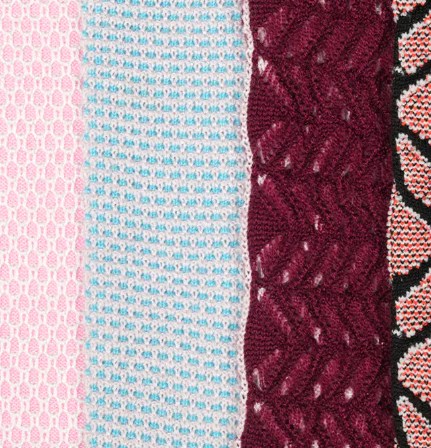
Knitting techniques are a key factor in shaping the comfort and elasticity of soft knitted wool fabrics. Compared to woven fabrics, knitted fabrics have a more flexible yarn structure, forming a micro-elastic network that maintains shape stability during stretching and recovery. Different knitting methods, such as plain knit, rib knit, and jacquard, affect the fabric's thickness, density, and hand feel, directly determining its softness and tactile quality.
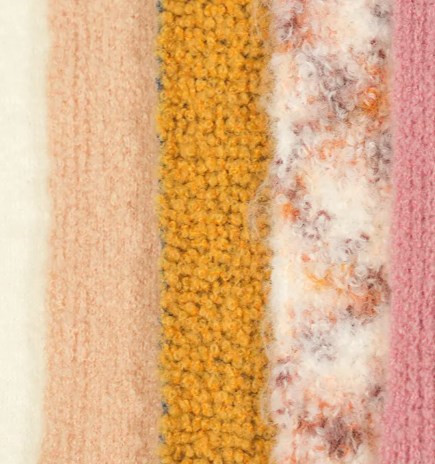
In the production of soft knitted wool fabrics, yarn twist, yarn count, and spinning processes all influence the fabric's softness. Low-twist, fine-count wool yarns create a fluffy, smooth fabric surface, while high-twist yarns are better suited for emphasizing abrasion resistance and crispness. By scientifically adjusting knitting process parameters, manufacturers can achieve an optimal balance between softness and durability.
Functionality and Comfort: Soft knitted wool fabrics not only emphasize feel and visual appeal but also possess a variety of functional characteristics. The natural moisture-wicking ability of wool fibers allows the fabric to regulate body temperature during wear, keeping the wearer dry and comfortable. The elasticity of the knitted structure gives the fabric excellent fit, allowing garments to stretch freely with body movement and resist deformation.
Softness knitted wool fabrics also perform well in anti-static, wrinkle-resistant, and antibacterial properties. Modern textile technology, through finishing processes, can further enhance the fabric's durability, pilling resistance, and washability, meeting the stringent requirements of high-end apparel and home furnishings for both lifespan and aesthetics.
Market Applications and Development Trends: Soft knitted wool fabrics are widely used in fashion apparel, home textiles, and high-end functional fabrics. Their comfort and warmth make them a preferred material for winter sweaters, knitwear, scarves, and hats. Simultaneously, soft knitted wool fabrics also demonstrate exceptional value in home textiles, used to make blankets, cushions, and bedding, enhancing the comfort of the home.
As consumers increasingly prioritize environmental protection and health, the production and design of soft knitted wool fabrics are trending towards sustainability. High-quality natural wool, environmentally friendly dyeing processes, and energy-efficient production methods are becoming new directions for industry development. Furthermore, the integration of functionality and fashion in fabrics is becoming increasingly prominent, driving continued growth in demand for soft knitted wool fabrics in the global market.
Softness knitted wool fabrics, with their natural comfort, excellent elasticity, and outstanding warmth retention, have become a premium choice in the textile industry. Through the selection of appropriate raw materials, meticulous knitting techniques, and scientific finishing processes, the fabrics achieve an ideal balance between softness, durability, and functionality. As market demand for high-quality textiles continues to rise, the application of soft knitted wool fabrics in apparel design, home furnishings, and functional fabrics will continue to expand, demonstrating unlimited development potential.



Contact Us for more details
Quick Links
Products
Contact Information
Address: No.2 Huangtai Rd, Yunting, Jiangyin, Jiangsu, China
Tel: +86-510-86018587
Mobile: +86-18261518580
Email: [email protected]
