
 Search


 English
 Français
 русский
 Español
News
 Home / News / Industry News / How does the manufacturing process of Soft Cashmere Wool Yarns affect its quality and comfort?
 How does the manufacturing process of Soft Cashmere Wool Yarns affect its quality and comfort?
 2026.01.15
 Industry News
Soft Cashmere Wool Yarns enjoy a high reputation in the textile industry, especially in the high-end market. Its softness, warmth, and lightness make it a preferred raw material for many high-quality fabrics. Among the many types of wool yarn, soft cashmere wool yarn is undoubtedly one of the most popular. It not only offers exceptional comfort but also meets the modern consumer's pursuit of a refined lifestyle.
The Unique Advantages of Soft Cashmere Wool Yarns
Soft cashmere wool yarn, with its fine fibers, good elasticity, and exceptional comfort, is widely used in the production of various luxury goods and high-end clothing. Compared to traditional wool, soft cashmere wool is lighter and less prone to shedding, thus occupying a unique position in the market. This wool yarn typically comes from specific breeds of sheep or goats and undergoes meticulous processing to exhibit its distinctive superiority.
The softness of soft cashmere wool yarn is one of its biggest selling points. Due to its fine fiber structure, the fabric made from cashmere wool feels incredibly soft against the skin, providing a light and warm touch. Whether used in scarves, sweaters, or high-end custom-made outerwear, it offers unparalleled comfort.
Soft cashmere wool yarn boasts excellent breathability and temperature regulation. It effectively regulates body temperature, keeping you warm without feeling stuffy, making it especially popular in winter clothing. Compared to traditional wool, soft cashmere wool has superior moisture-wicking properties, keeping you dry and comfortable during wear.
The natural luster of soft cashmere wool yarn also makes it more attractive. Compared to other types of wool, cashmere yarn typically has a more natural sheen and brightness, resulting in fabrics with a higher visual appeal and better colorfastness, maintaining vibrant colors.
The Production Process of Soft Cashmere Wool Yarn
The production process of soft cashmere wool yarn is extremely delicate, requiring highly specialized techniques at every stage, from cashmere harvesting to yarn weaving. Firstly, cashmere harvesting must be carried out during the appropriate season, typically spring or autumn. The process of harvesting cashmere from sheep requires careful handling to ensure the wool is not damaged.
After harvesting, the cashmere undergoes washing and combing to remove impurities and stray hairs, ensuring fiber purity. During this process, manufacturers typically use advanced machinery to ensure uniform fiber length and thickness. The cashmere is then combed into yarn and undergoes fine spinning. The spinning process for soft cashmere wool yarn usually employs ring spinning or air-jet spinning techniques, which maximize the preservation of the wool fibers' softness and luster.
Applications of Soft Cashmere Wool Yarn
Due to its superior quality, soft cashmere wool yarn is widely used in high-end clothing and home furnishings. It is an ideal material for high-end sweaters, scarves, shawls, and coats. Designers prefer to use cashmere yarn to create lightweight yet warm garments to meet the stringent requirements of high-end consumers for detail and quality.
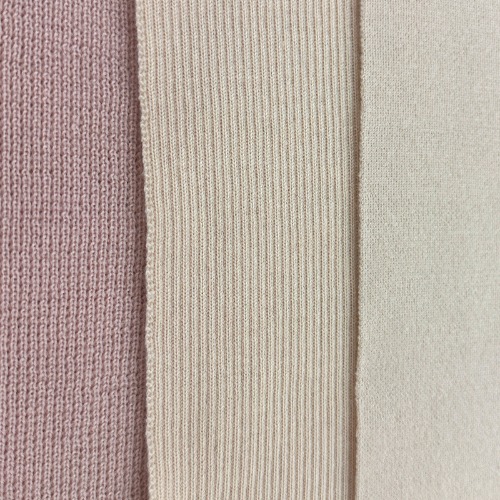
Soft cashmere wool yarn is also widely used in luxury home textiles, such as cashmere bedding, pillowcases, and sheets. The warmth and comfort of cashmere fibers make them a favorite in the high-end home furnishing market. Their excellent breathability and ability to effectively regulate sleep temperature make them a common choice for high-quality sleep products.
Soft cashmere wool yarn is also frequently used in the production of high-end blankets and carpets. Compared to ordinary wool yarn, soft cashmere wool is lighter and softer to the touch, adding a warm and luxurious atmosphere to the home environment.
Care and Maintenance of Soft Cashmere Wool Yarn
While soft cashmere wool yarn is very durable, proper care and maintenance are essential to ensure it remains in good condition for a long time. When washing soft cashmere wool products, avoid using hot water and strong detergents. Generally, it is best to choose a mild wool detergent and gently hand wash in cold water, avoiding rubbing and twisting. If machine washing, be sure to select a washing program specifically designed for wool.
Cashmere products should avoid direct sunlight, as ultraviolet rays can damage the wool fiber structure, causing the wool yarn to lose its luster. Therefore, after washing, it is best to air dry in a cool place, avoiding direct sunlight. To maintain the original elasticity and softness of soft cashmere wool yarn, regular and proper combing is recommended. Using a professional wool comb can effectively remove impurities from the wool fibers and maintain their smoothness.
Frequently Asked Questions (FAQ)
1. What is the difference between soft cashmere wool yarn and regular wool yarn?
The main difference between soft cashmere wool yarn and regular wool yarn lies in the fineness and softness of the fibers. Soft cashmere wool yarn comes from specific breeds of sheep, resulting in finer fibers, a softer feel, and a more comfortable wearing experience. Regular wool fibers are coarser, and their comfort and breathability are relatively poor.
2. Is soft cashmere wool yarn prone to pilling?
Soft cashmere wool yarn is less likely to pill than regular wool. This is because its fiber structure is denser and finer, reducing the possibility of friction. However, excessive friction and improper care can still cause pilling.
3. What season is soft cashmere wool yarn suitable for?
Because soft cashmere wool yarn has excellent temperature-regulating properties, it can provide warmth in cold winters without feeling stuffy. Therefore, it is suitable for wearing all year round, but is especially common in autumn and winter.



Contact Us for more details
Quick Links
Products
Contact Information
Address: No.2 Huangtai Rd, Yunting, Jiangyin, Jiangsu, China
Tel: +86-510-86018587
Mobile: +86-18261518580
Email: [email protected]
