
 Search


 English
 Français
 русский
 Español
News

Are Soft Knitted Wool Fabrics Suitable for Sensitive Skin?
 2026.06.22
 Industry News
The essence of soft knitted wool fabrics lies in the meticulous combination of fine fiber diameter, a flexible knit structure, and specialized finishing processes. To achieve a truly skin-friendly fabric, manufacturers must utilize wool fibers measuring under 19 microns in diameter. This specific fineness eliminates the prickle factor commonly associated with traditional wool, resulting in a luxurious, caressing touch that can be worn directly against the skin without irritation.
Traditional wool often carries a reputation for being scratchy and stiff. However, modern textile engineering has transformed this natural material into highly sought-after, ultra-soft knitted textiles. Understanding the mechanics behind this transformation requires a deep dive into the agricultural origins of the fiber, the mechanical processes of knitting, and the chemical or enzymatic finishes applied at the end of the production cycle. By mastering these elements, textile producers create fabrics that offer both the innate thermal regulation of wool and the comfort of high-end cotton or silk.
Core Factors Driving Softness
The journey to creating a soft woolen fabric begins long before the knitting needles or machines are engaged. The fundamental properties of the raw wool dictate the ceiling of softness that can be achieved. Two primary factors dominate this stage: the physical fineness of the individual fibers and the methodology used to spin them into usable yarn.
Fiber Fineness and the Prickle Threshold
Fiber diameter, measured in microns, is the single most critical determinant of wool softness. Human skin contains nerve endings that react to pressure. When a coarse wool fiber presses against the skin, it bends; if the fiber is too thick, it applies enough pressure to trigger these nerve endings, causing the sensation of itchiness. Research indicates that fibers exceeding 30 microns generally cause discomfort for the vast majority of individuals. Conversely, premium fine wools, such as certain grades of Merino, range from 11 to 24 microns. Fibers measuring below 19 microns are so fine that they buckle under their own weight before reaching the skin's pain threshold, making them feel exceptionally smooth and soft.
Spinning Techniques
Once the raw fiber is selected, the spinning process plays a pivotal role in the final hand-feel. Worsted yarns, which are highly twisted and combed to remove short fibers, produce a smooth, dense, and durable thread. While excellent for tailored garments, they can sometimes feel firm. For soft knitted fabrics, textile engineers often opt for slightly lower twist multi-ply yarns or specialized air-jet spinning. These methods trap more air within the yarn structure, creating a bulkier, softer thread that yields a plush, cushioned feel when knitted. The balance lies in maintaining enough twist to prevent pilling while keeping the yarn loose enough to maximize tactile softness.
How Knit Structure Influences Tactile Feel
Knitting is the process of interlocking loops of yarn, which inherently provides elasticity, breathability, and a softer drape compared to woven fabrics. The specific arrangement of these loops—known as the knit structure—drastically alters how the fabric interacts with the skin. A well-chosen structure can enhance the natural softness of fine wool, while a poor choice can make even premium fibers feel rigid.
Flat Jersey vs. Rib Knits
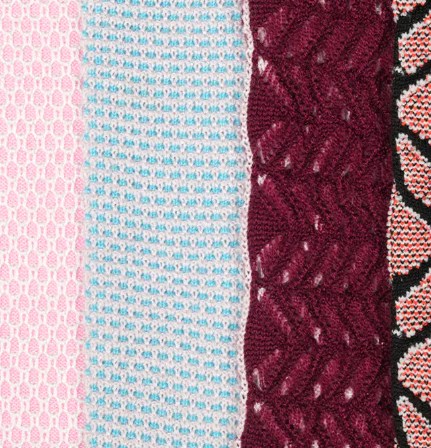
The flat jersey knit is the most fundamental structure, featuring smooth, flat vertical loops on the front and horizontal purl loops on the back. Jersey knits drape beautifully and provide a sleek, even surface that feels gentle against the body, making them ideal for base layers and lightweight apparel. Rib knits, characterized by alternating columns of knit and purl stitches, offer superior stretch and recovery. While the textured surface of a rib knit might feel slightly different than a flat jersey, the increased elasticity allows the fabric to move seamlessly with the body, reducing friction and enhancing the overall perception of comfort and softness.
Gauge and Stitch Density
The gauge of the knitting machine determines the number of stitches per inch. A finer gauge machine produces more, smaller loops, resulting in a denser, lighter, and incredibly smooth fabric. This high-density smoothness contributes significantly to a soft, silk-like hand-feel. Conversely, a chunkier, lower gauge knit creates larger loops, resulting in a lofty, spongy fabric. While both can be soft, high-gauge, fine-knit structures are typically preferred for next-to-skin applications where a seamless, frictionless touch is paramount.
Finishing Processes to Elevate Softness
The raw knitted fabric, often referred to as greige, is rarely soft enough for the luxury market straight off the knitting machine. It must undergo a series of wet and dry finishing processes. These treatments modify the fiber surface, relax the knit structure, and apply softening agents to achieve the final, premium tactile experience.
Scale Modification and Enzyme Treatment
Wool fibers are covered in microscopic scales. When these scales interlock, they cause shrinkage and can create a slightly rough surface. Traditional chlorine-based treatments strip these scales to make the fabric machine-washable and smoother. However, eco-conscious manufacturers increasingly use bio-polishing with specific cellulose enzymes. These enzymes precisely target and digest protruding micro-fibers and soften the scale edges, resulting in a permanently softer fabric that resists pilling without relying on harsh chemicals.
Softening Agents and Milling
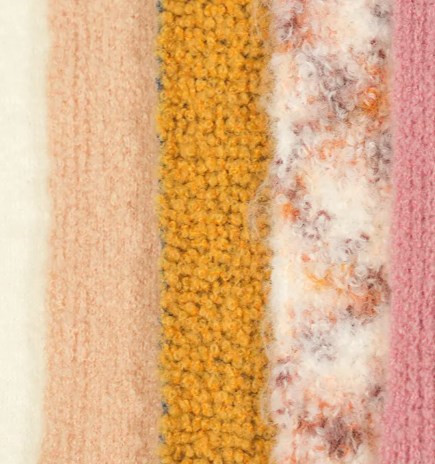
During the final wet finishing stage, cationic softeners are often applied. These chemical agents lubricate the individual fibers within the yarn, reducing the coefficient of friction between them. This internal lubrication allows the fibers to glide smoothly over one another and over the skin. Additionally, a light milling process—where the fabric is gently agitated in a warm, soapy solution—causes the fabric to full slightly, compacting the structure and creating a dense, peach-like fuzz on the surface that feels exceptionally soft to the touch.
Practical Applications of Soft Knitted Wool
Because of their unique combination of thermal regulation, moisture management, and tactile comfort, soft knitted wool fabrics are utilized in highly specialized applications where performance and comfort intersect. They are not merely fashion statements but functional textiles designed to improve the wearer's physiological comfort.
Next-to-Skin Activewear and Base Layers
Athletes and outdoor enthusiasts rely heavily on fine-knit wool base layers. Unlike synthetic fabrics, wool can absorb up to 30% of its weight in moisture without feeling wet to the touch. The soft, knitted structure allows this moisture to be transported away from the skin and released into the air, preventing the chilling effect of sweat evaporation during rest periods. The extreme softness ensures that even during high-friction activities like long-distance running or skiing, the fabric does not chafe the skin.
Infant and Sensitivity-Focused Apparel
Infant skin is highly permeable and sensitive to coarse textures and chemical irritants. Soft knitted wool, particularly organic or untreated fine micron wool, is increasingly used for baby blankets, sleep sacks, and mild-weather garments. The natural lanolin retained in some lightly processed wools offers antibacterial properties, while the gentle, breathable knit prevents overheating. For adults with dermatological conditions like eczema, ultra-soft wool knits can act as a protective, breathable barrier that does not trigger flare-ups.
Fiber Fineness and Softness Scale
To better understand how fiber diameter translates to tactile experience, the following table outlines the general relationship between micron count, softness perception, and typical end-uses. This illustrates why specific grades of wool are necessary for creating truly soft knitted fabrics.
| Fiber Diameter (Microns) | Softness Perception | Typical Application |
|---|---|---|
| Under 15 | Ultimate luxury, cashmere-like | Ultra-fine underwear, luxury scarves |
| 16 to 19 | Excellent, seamless next-to-skin | Performance base layers, fine knits |
| 20 to 24 | Good, suitable for light layering | Lightweight sweaters, cardigans |
| 25 to 30 | Moderate, requires a base layer | Mid-weight sweaters, outerwear knits |
Essential Care Guidelines
Maintaining the structural integrity and luxurious hand-feel of soft knitted wool requires specific care protocols. Wool fibers are covered in scales that can interlock and shrink aggressively when exposed to heat, moisture, and friction. By adhering to gentle care practices, the lifespan and softness of the fabric can be significantly extended.
- Cool Water Washing: Always wash soft wool knits in cool or lukewarm water, ideally below 30 degrees Celsius, to prevent the fibers from expanding and interlocking.
- Avoid Agitation: Do not wring or vigorously rub the fabric. Gentle squeezing is sufficient to remove dirt, as wool is naturally self-cleaning and odor-resistant.
- Use Specific Detergents: Standard laundry detergents contain protease enzymes that can digest wool fibers. Always use a pH-neutral, wool-specific wash liquid.
- Flat Drying: Never hang wet wool knits, as the weight of the absorbed water will stretch the loops and ruin the shape. Roll the garment in a towel to remove excess moisture, then dry it flat in a shaded, well-ventilated area.



Contact Us for more details
Quick Links
Products
Contact Information
Address: No.2 Huangtai Rd, Yunting, Jiangyin, Jiangsu, China
Tel: +86-510-86018587
Mobile: +86-18261518580
Email: [email protected]
